(AKA New Jersey & Pennsylvania)
I never traveled abroad growing up. Even though my mom didn’t have the expendable income for lavish vacations, we often explored our immediate surroundings or nearby towns reachable by car. I learned at an early age that I didn’t need a plane ticket to go somewhere magical and historical–just a car, maybe a Hampton Inn, and joie de vivre. One time for an assignment in elementary school, I answered the question, “What do you like to do with your family?” with, “Visit old places and go to Publix.” By “old places,” I meant historic house museums, and by Publix, yes, I meant the grocery store chain with the famed Pub Sub.
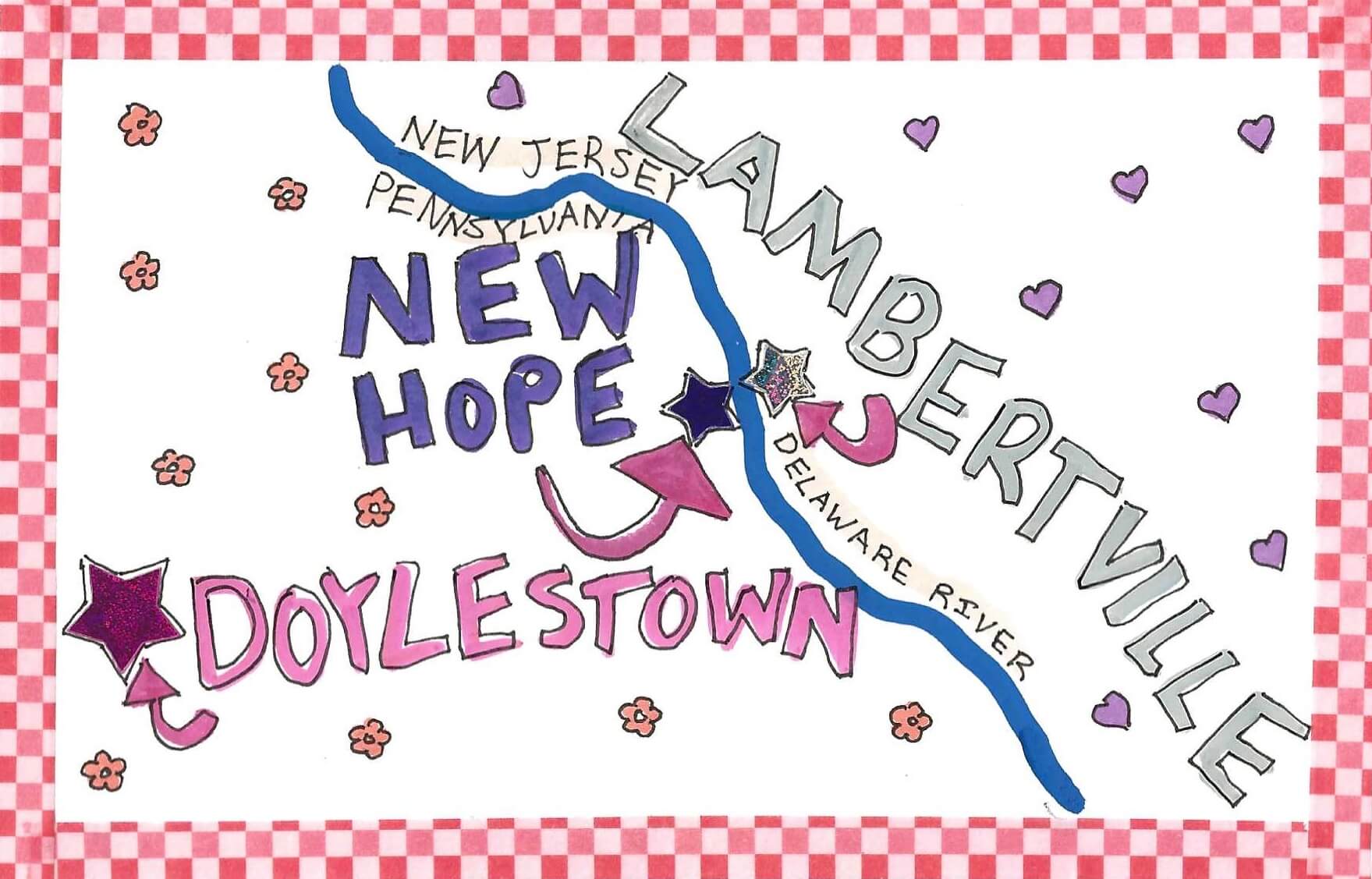
I recently took one of these “vacation in a weekend” trips, as my mom calls them, to some lovely towns in New Jersey and Pennsylvania–Lambertville, New Hope, and Doylestown. You, like many of my friends and my dad, may be asking, “Why?” The short answer is, I was intrigued! Lambertville is often called the “Antiques Capital of New Jersey,” New Hope has a rich history as a gay resort town and artsy haven, and Doylestown has three poured-in-place concrete structures built by an eccentric. Need I explain more?! To share the gospel of how amazing these towns are and perhaps inspire you to take a similar trip, here is a recap and reflection.
Or, if you’d prefer, you could always follow this itinerary of Ween-related sites in New Hope, lovingly created by a fan who made a pilgrimage to the band’s hometown:
I think personal recommendations, whether from someone you know or a kind stranger on the internet, are a balm to our increasingly algorithmized and sponsored world. As always, when I travel, I can’t provide a local point of view; I’m a mere visitor writing from the humble perspective of an outsider. Also, in writing this, I came across a New York Times article that describes New Hope as becoming a “rival to the Hamptons,” an ominous threat of gentrification for the artsy town. In the context of the ultra-wealthy, celebrities, and developers coming in, it’s important to support the local small businesses that make New Hope so special.
Lambertville, NJ & New Hope, PA
Transportation
While New Hope and Lambertville are right next to each other and easily walkable, we needed a car to get there and to our next destinations, so I borrowed my mom’s car and drove down from her place about an hour away. For context, the towns are about one and a half hours from New York City and one hour from Philadelphia. The drive itself was beautiful, with bright yellow farms peeking through melting snow and cutting through a thick white fog.
Once we arrived, parking was super easy–we parked in a municipal lot in Lambertville and paid using the ParkMobile app. There’s also metered street parking.
Highlights
- The People’s Store - A wonderland of beautiful objects housed in a building from 1839!
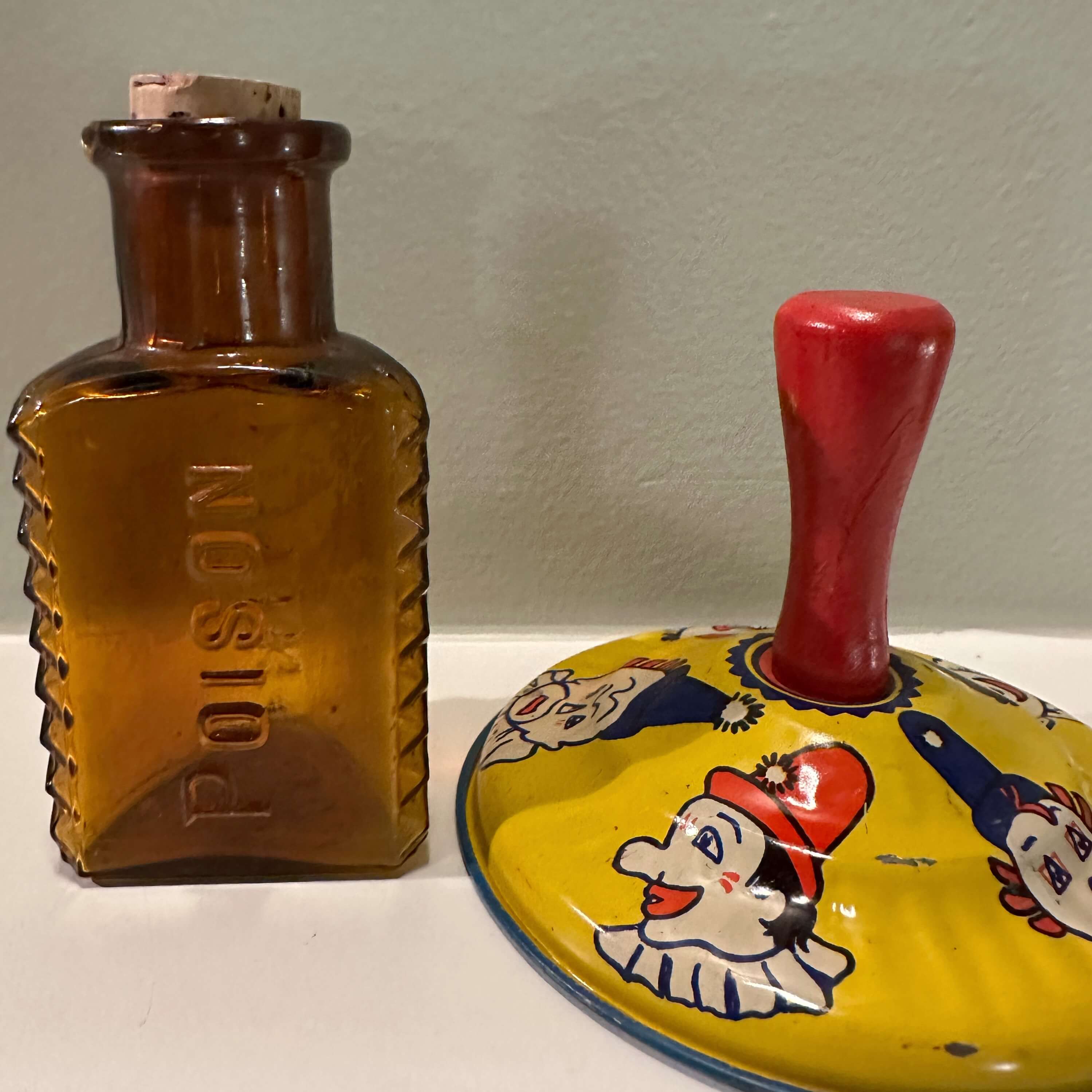
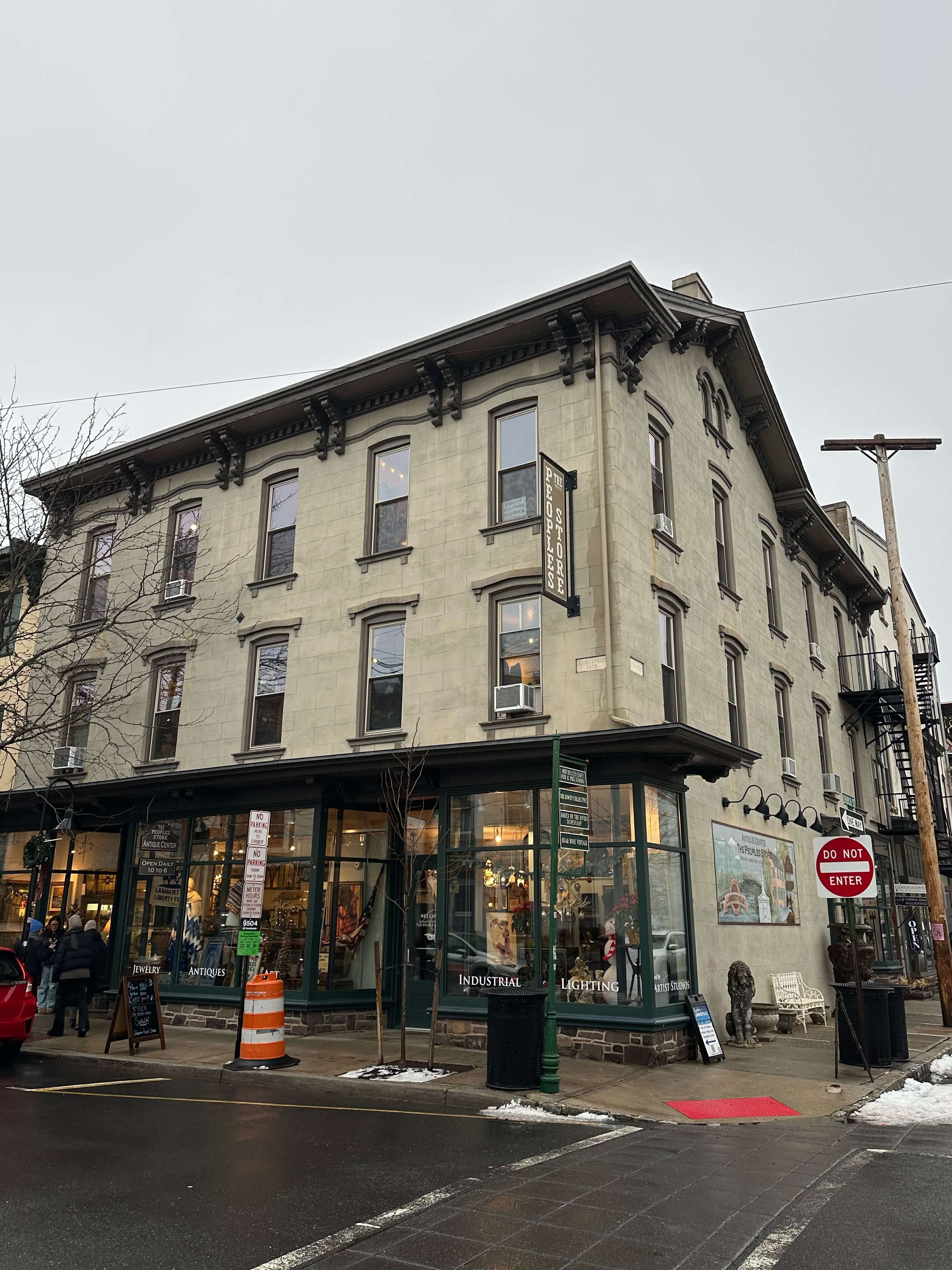 The People’s Store has four floors full of antiques, vintage items, records, art, etc. It’s easy to spend hours there if you’re a sicko like me. I was on a mission to find an antique poison bottle, which I found minutes after entering the store. Poison bottles like this date back to the Victorian era, when there was a perfect combination of expanded industrial chemistry and virtually no regulation of poisonous substances. Fun! Doctors and glass companies manufactured bottles that were easily identifiable as containing poisonous material using shape, color, texture, and text, thus creating these gorgeous objects. I also purchased an amazing Kirchhof metal clown noisemaker, which appears to be from the 1930s to 1950s.
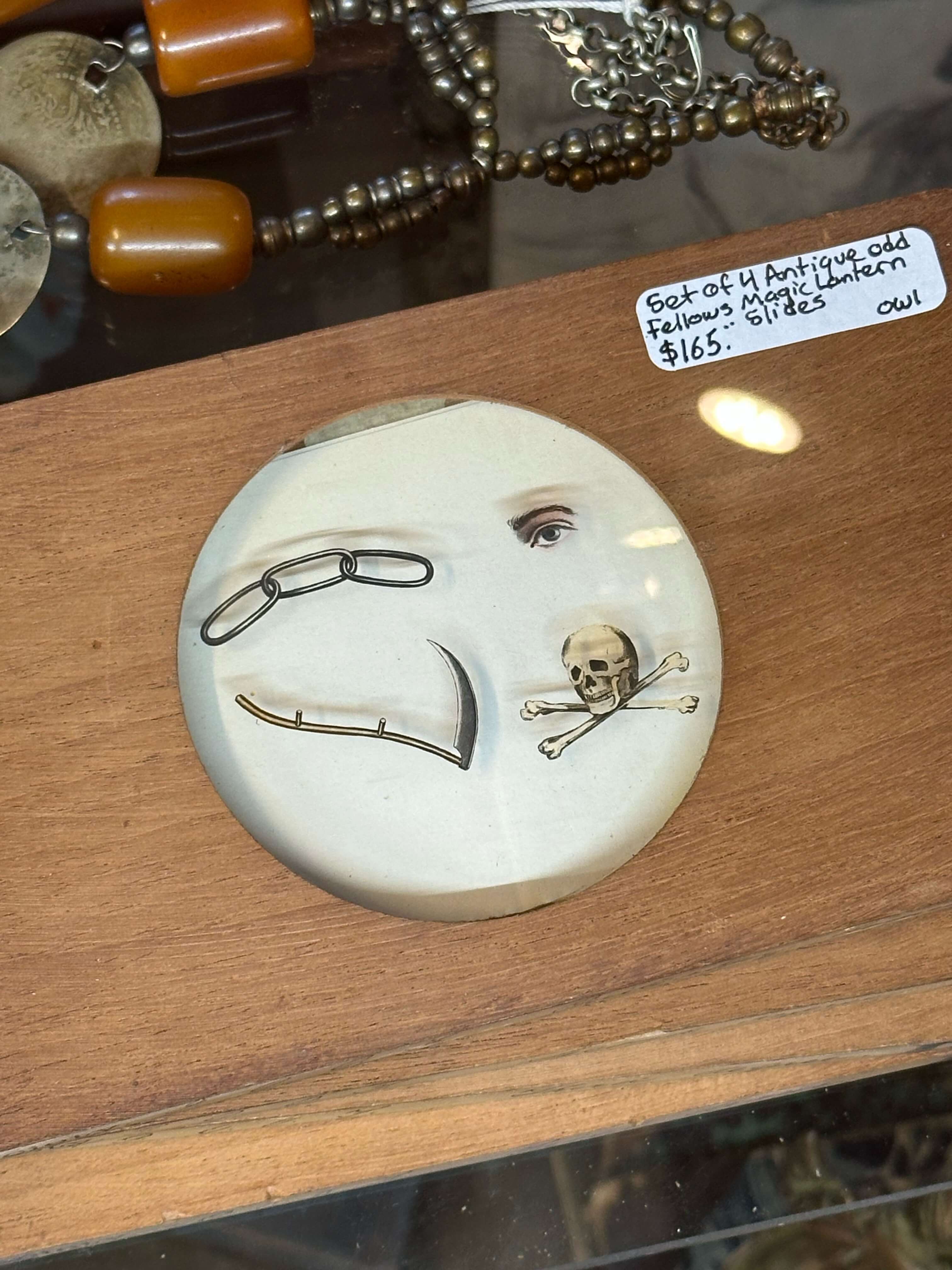
 Some other intriguing items I saw but did not purchase were vintage perfume bottles from Chanel and Guerlain, and these magic lantern slides.
 I also saw a vinyl copy of Throbbing Gristle’s score to Derek Jarman’s film In the Shadow of the Sun that I super regret not buying. IF WHOEVER READS THIS GOES AND THAT RECORD IS STILL THERE, PLEASE GET IT FOR ME! I WILL PAY YOU BACK. I’M SERIOUS.
- Foxy Reds - I was drawn into this store by the siren song of perfume bottles in the window and found a curated selection of niche perfumes from houses such as BDK, Etat Libre D’Orange, Nasomatto, etc. It felt like running into my friends in this town I’d never been to before.
- Panoply Books - Special store with a fantastic selection of odd, rare, and esoteric books. My partner and I joke that our favorite thing to do is go to dusty places–record stores, book stores, antique stores. This was a trip full of dust, and Panoply was especially and charmingly dusty. At the register, there was a small box of ephemera that included some political pamphlets that would fit right in at Fugitive Materials. There was also a pamphlet on torture tactics that was exceptionally detailed and stomach-churning–the salesperson told us it had already been purchased and returned. I guess some people can’t take the heat of graphic descriptions of torture!
- Union Coffee - Cute community coffee shop!
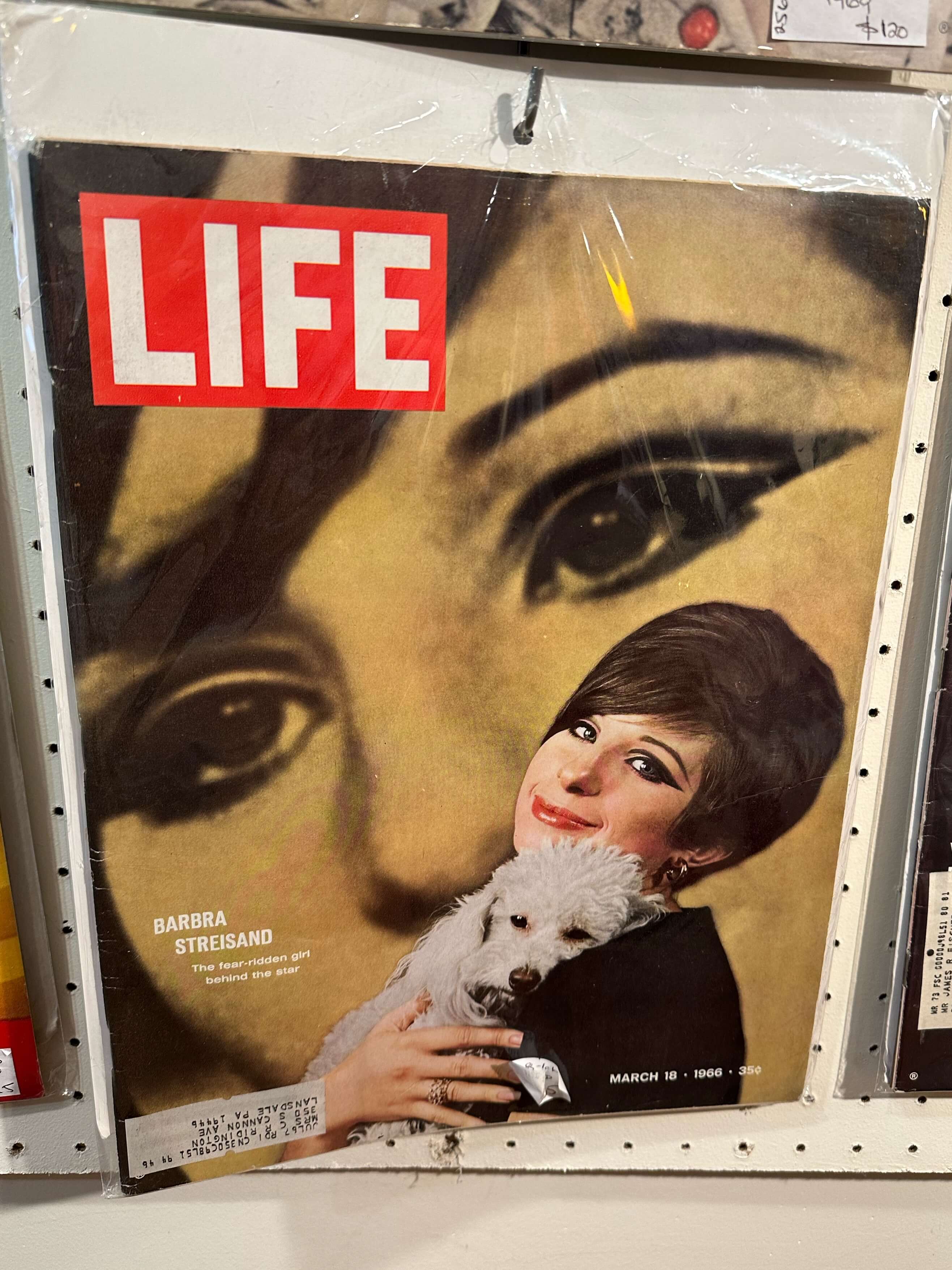
- A Stage in Time - Thoughtfully curated store of vintage books, gorgeous chess sets, mid-century furniture, and a huge collection of LIFE magazines.
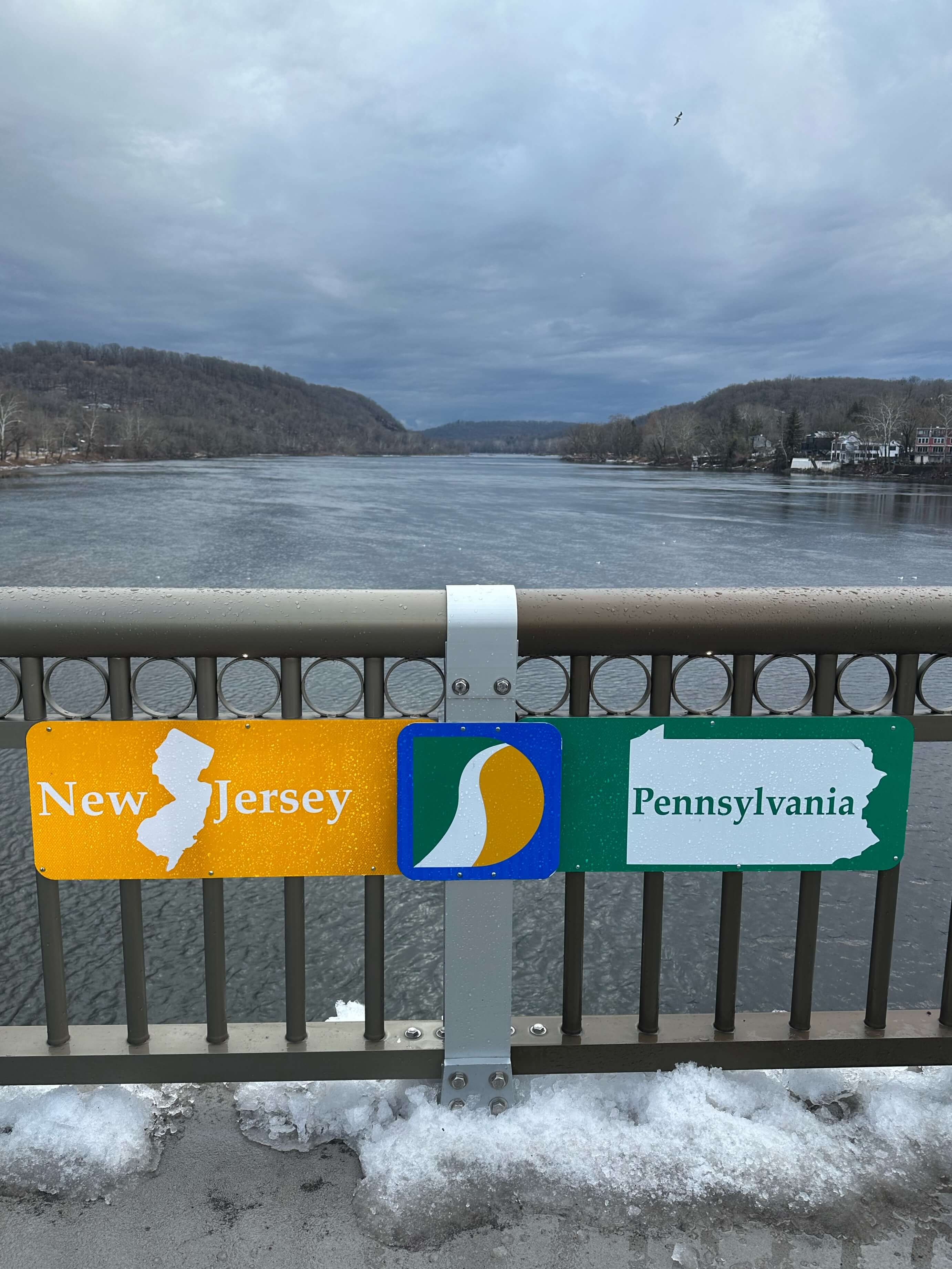
- New Hope-Lambertville Bridge - We briefly had a foot in Pennsylvania and a foot in New Jersey as we walked across this bridge that spans the Delaware River and connects Lambertville and New Hope.
- Ditto Vintage - Y2K vibes, even down to the salesperson who was giving a fellow shopper a plot synopsis of the film Crossroads (2002).
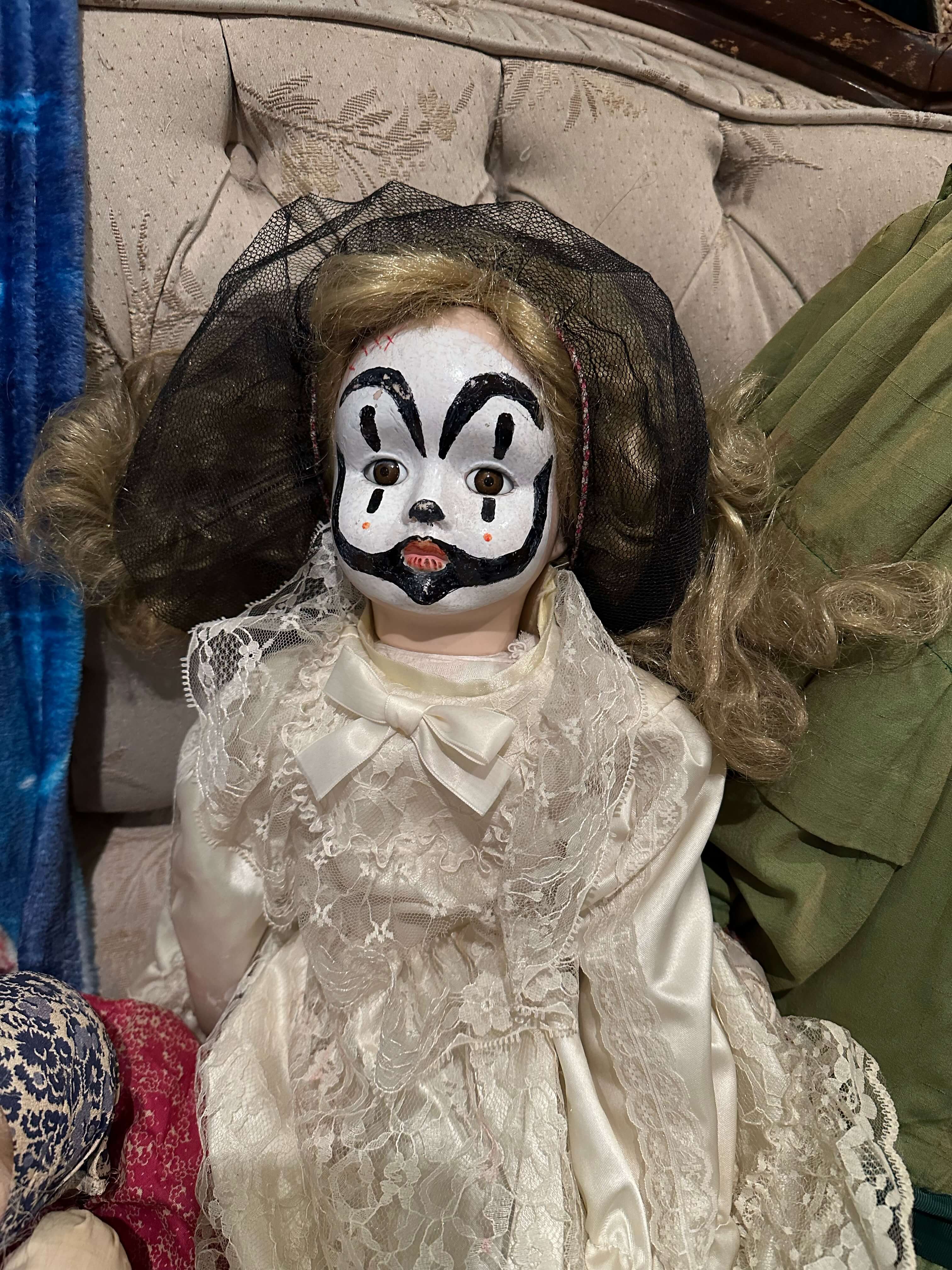
- Love Saves the Day - The long-closed East Village vintage store lives on in kitschy glory at this second location, still in operation. It’s shockingly organized for a store so full of stuff like vintage items, collectibles, and a lot of Elvis. I enjoyed the face-painted babydolls throughout the store, especially this juggalette.
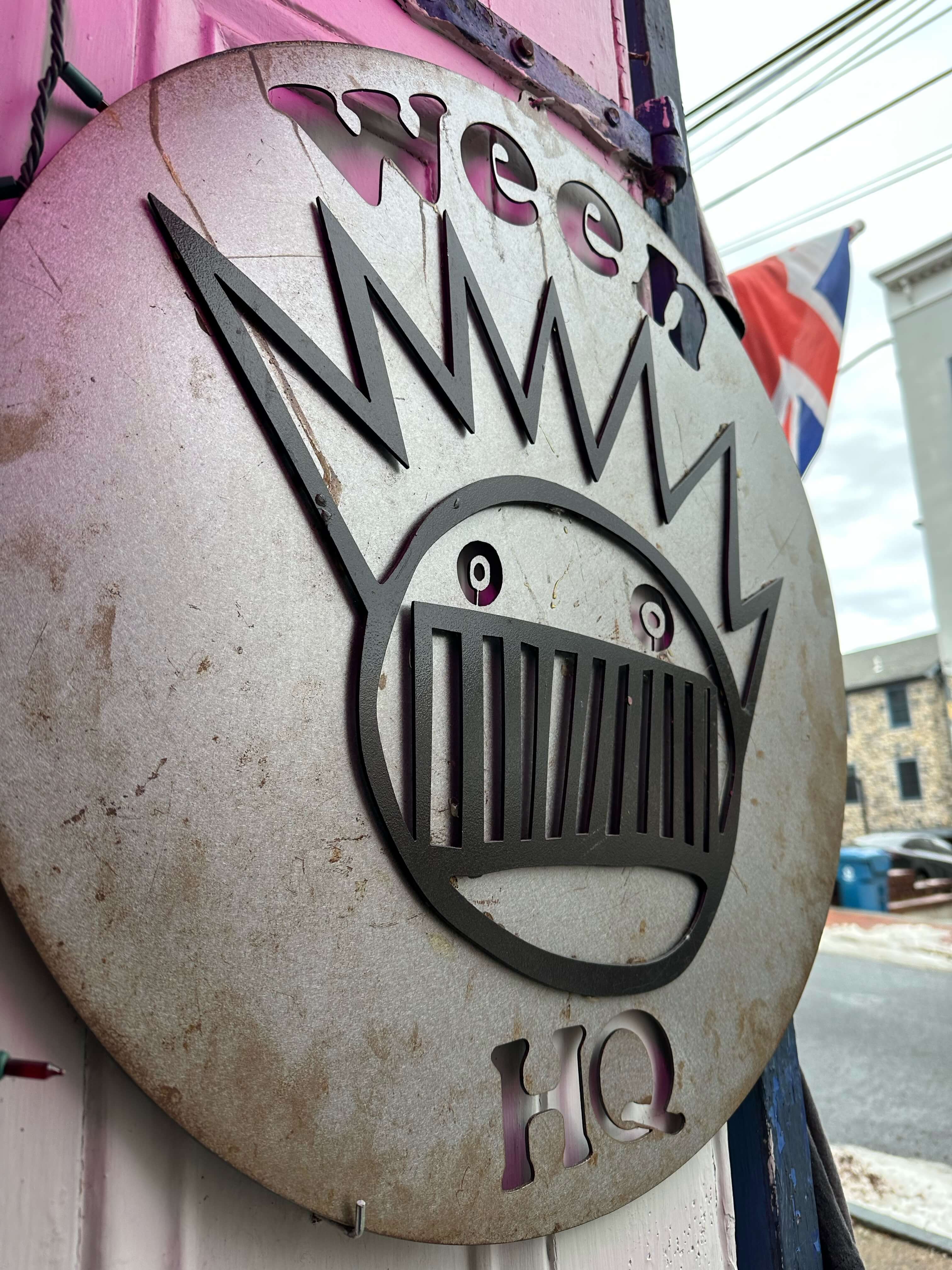
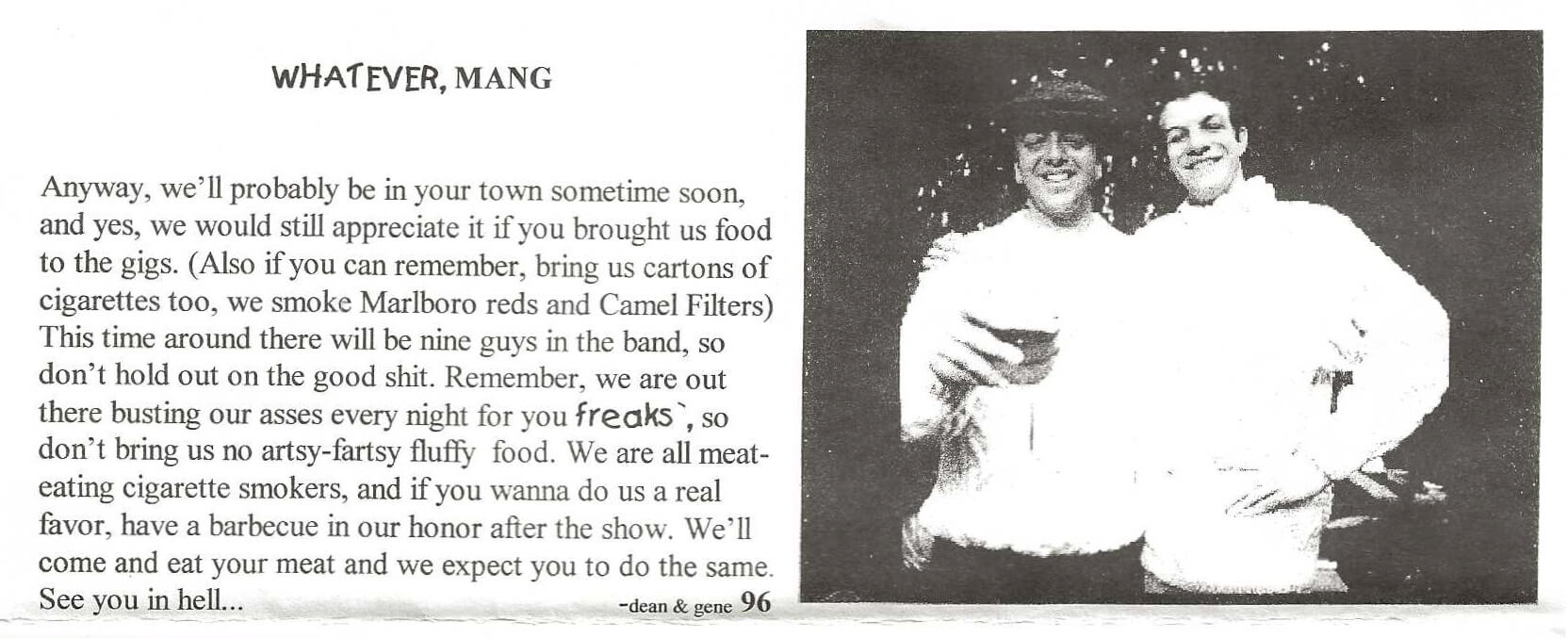
- God Save the Qweens - Punk store and “Ween Headquarters” that is so packed with Ween merch, band shirts, vintage clothes, and a million pairs of Dr. Martens that only one person is allowed in at a time.
 They have some Ween rarities; we got this copy of the first Ween newsletter from 1996. Here’s an excerpt:
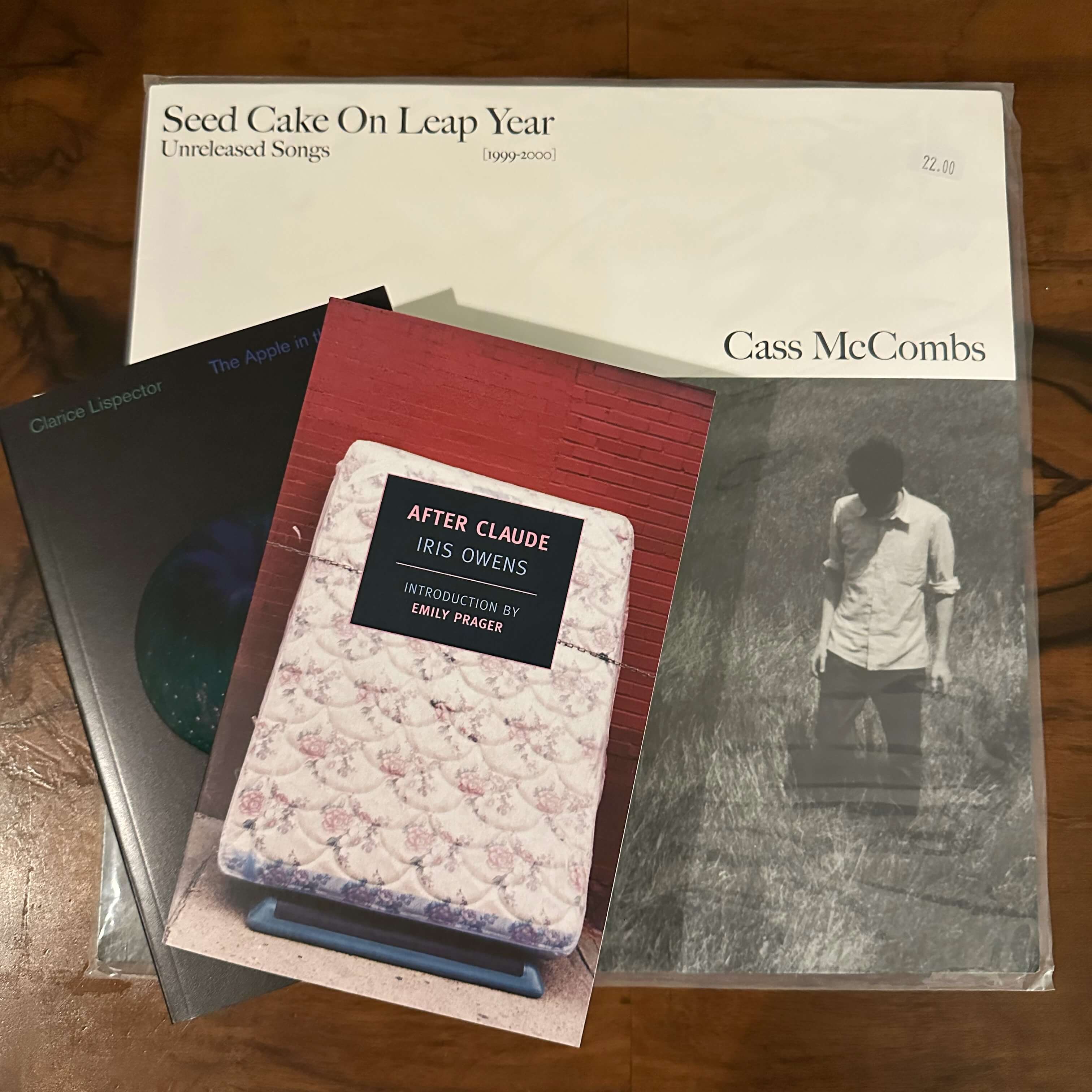
- Sweet Repeat Records - Just your classic friendly record store where you can find some gems. I picked up a barely used copy of Seed Cake on Leap Year by Cass McCombs.
- Farley’s Bookshop: Local bookstore with a nice selection. I picked up a couple of books I’ve been keeping an eye out for. They also have some local goodies, like a music magazine called Rivot
More To See
We were in Lambertville and New Hope on a weekday, so some places weren’t open. We also didn’t stick around for evening activities. So here are a few spots we didn’t go to, but that seem cool:
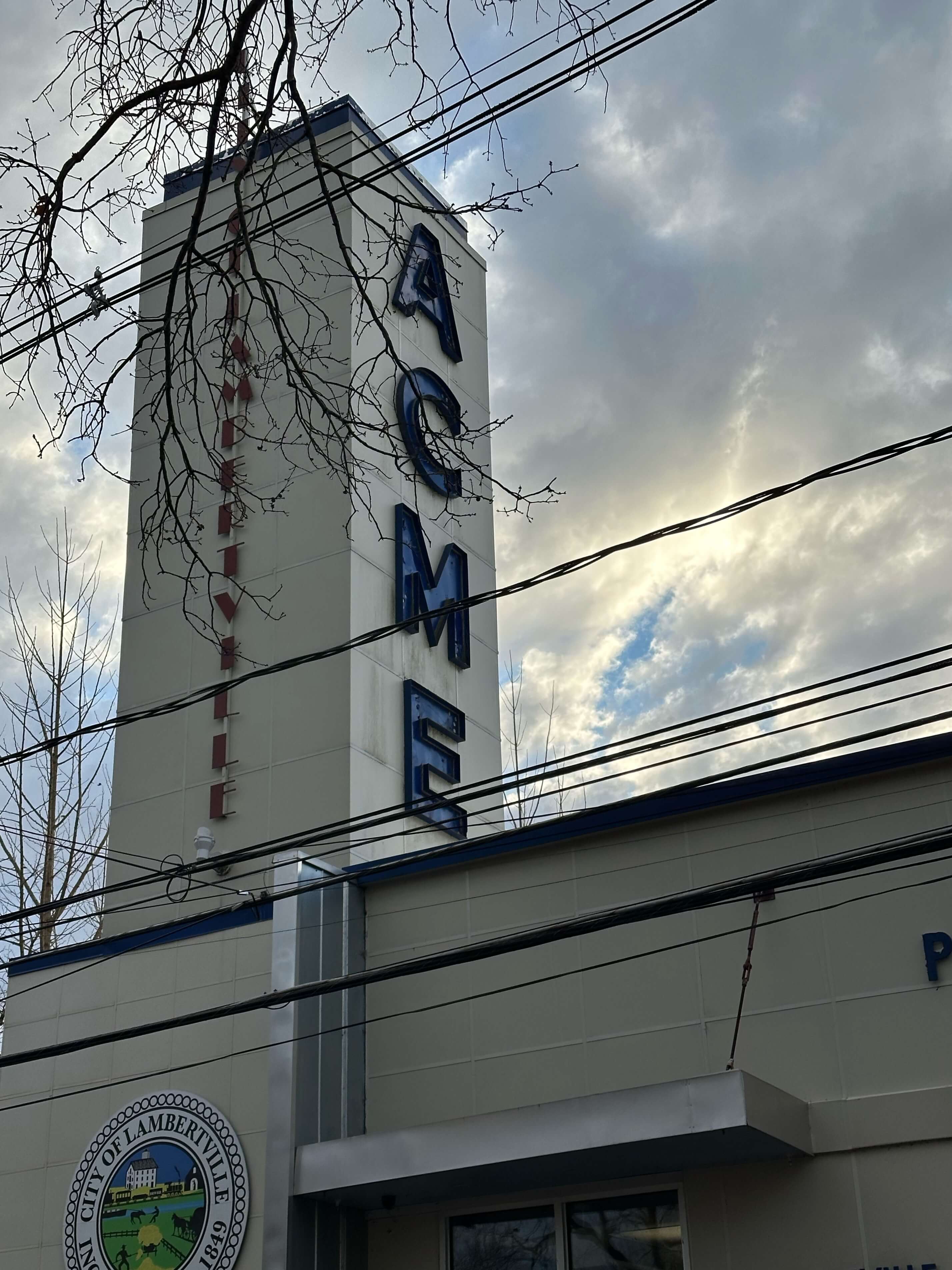
- Acme Screening Room - This theater shows classic, foreign, independent, and documentary films. I think going to the cinema while traveling is highly underrated. If you’re traveling internationally, local theaters may offer you the opportunity to see regional cinema you may not otherwise have access to. Even domestically, you can find unique film communities, architecture, and experiences at local theaters. While at the Music Box in Chicago, I was stunned to see an organist play before the film began!
- Unchanged Mind - Record store that sells, “Current independent and DIY releases, rare punk and hip hop, industrial, ambient, dance singles, and more rare records than we can highlight. We try to carry an eclectic selection of records that you can't easily find elsewhere.” YUP. SOUNDS GOOD TO ME.
- The Boat House - Bar that looks like it has really cool nautical decor.
- Johns & Peter’s Place - Storied bar and music venue!
Dinner
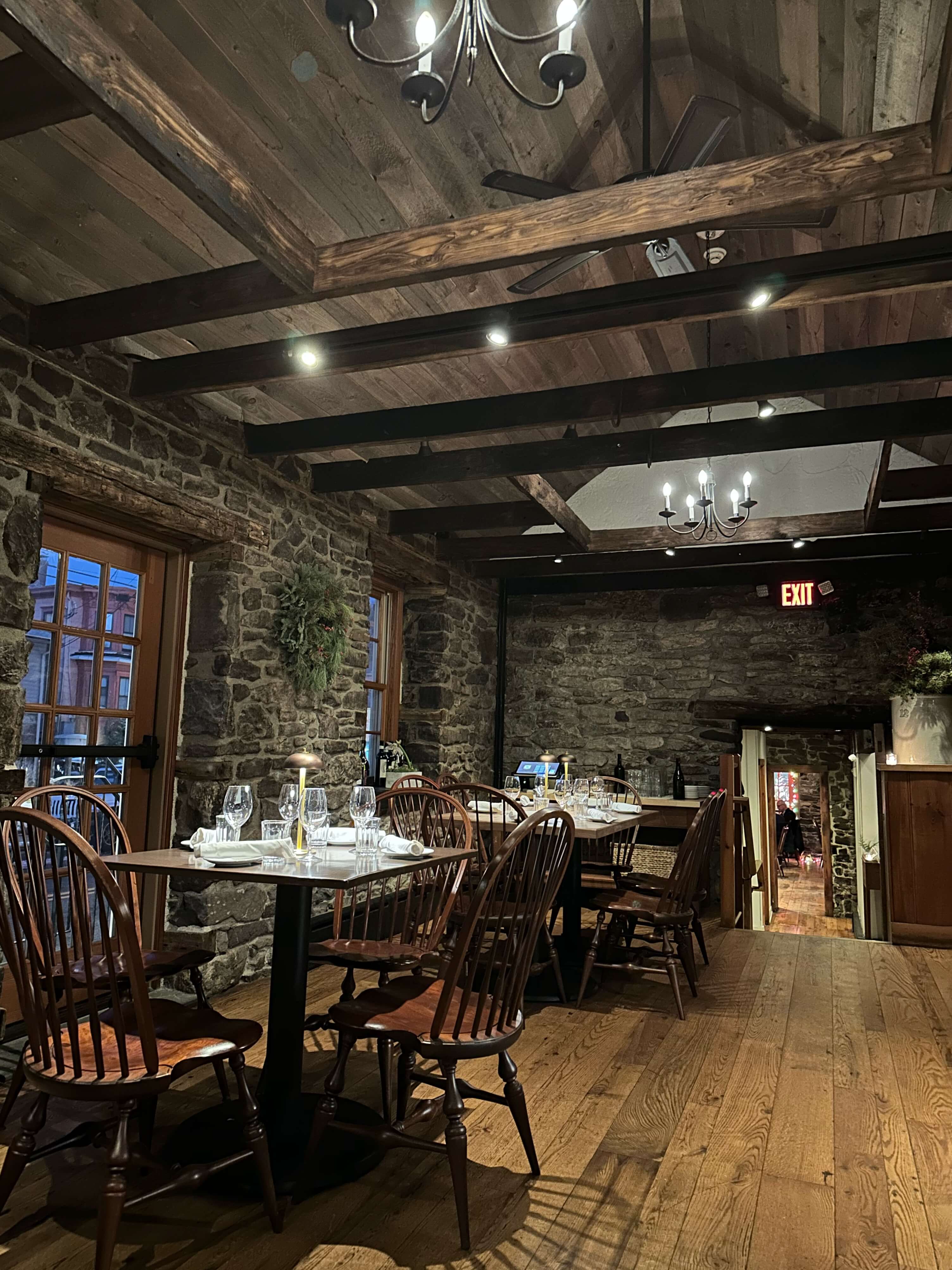
Sergeantsville Inn - Eating in this 1734 building with stone walls, fireplaces, and exposed beams made me feel like I was at a pub in Ireland, minus the trad music.* It’s about a 15-minute drive from New Hope.
Accommodations
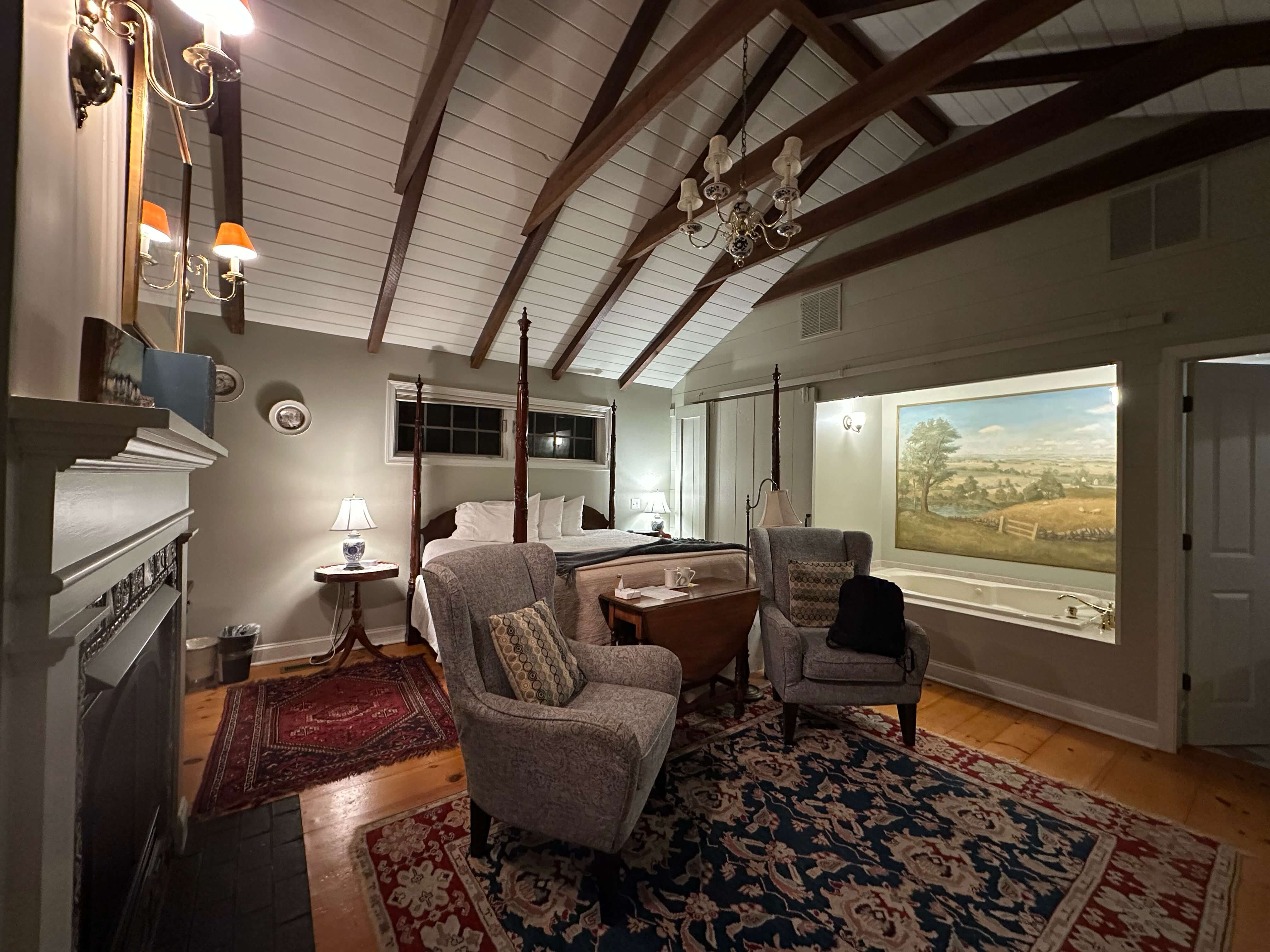
Woolverton Inn - We stayed about 10 minutes away from New Hope at this inn and former farm dating back to the 18th century. I literally woke up to a three-course breakfast and a view of sheep grazing in a pasture. I’m the luckiest girl on the planet. We stayed in the most darling English countryside-inspired cottage with a gas fireplace and whirlpool tub. We booked a package that also included in-room massages. Apparently, this is where Julia Child got married! And did I mention there are sheep?
Doylestown
- Tile Works - We basically based our trip around this one eccentric man and his esoteric hobbies. This dude Henry Mercer’s special interests included concrete, everyday objects, and tiles. He built the Moravian Pottery and Tile Works–out of concrete, obviously–between 1911 and 1912.
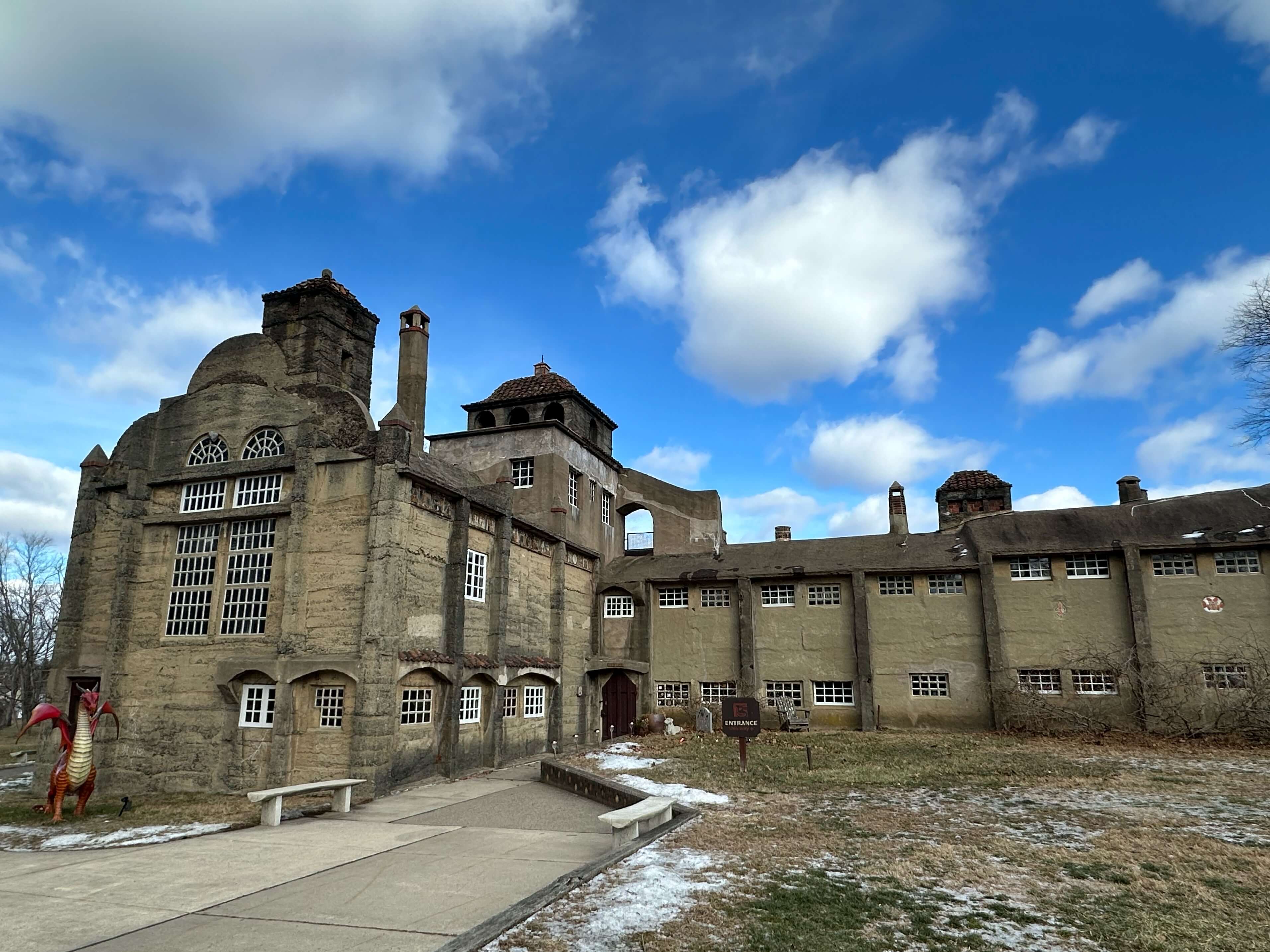 As a proponent of the American Arts & Crafts movement, he directed the production of handmade tiles and mosaics at the factory until his death in 1930.
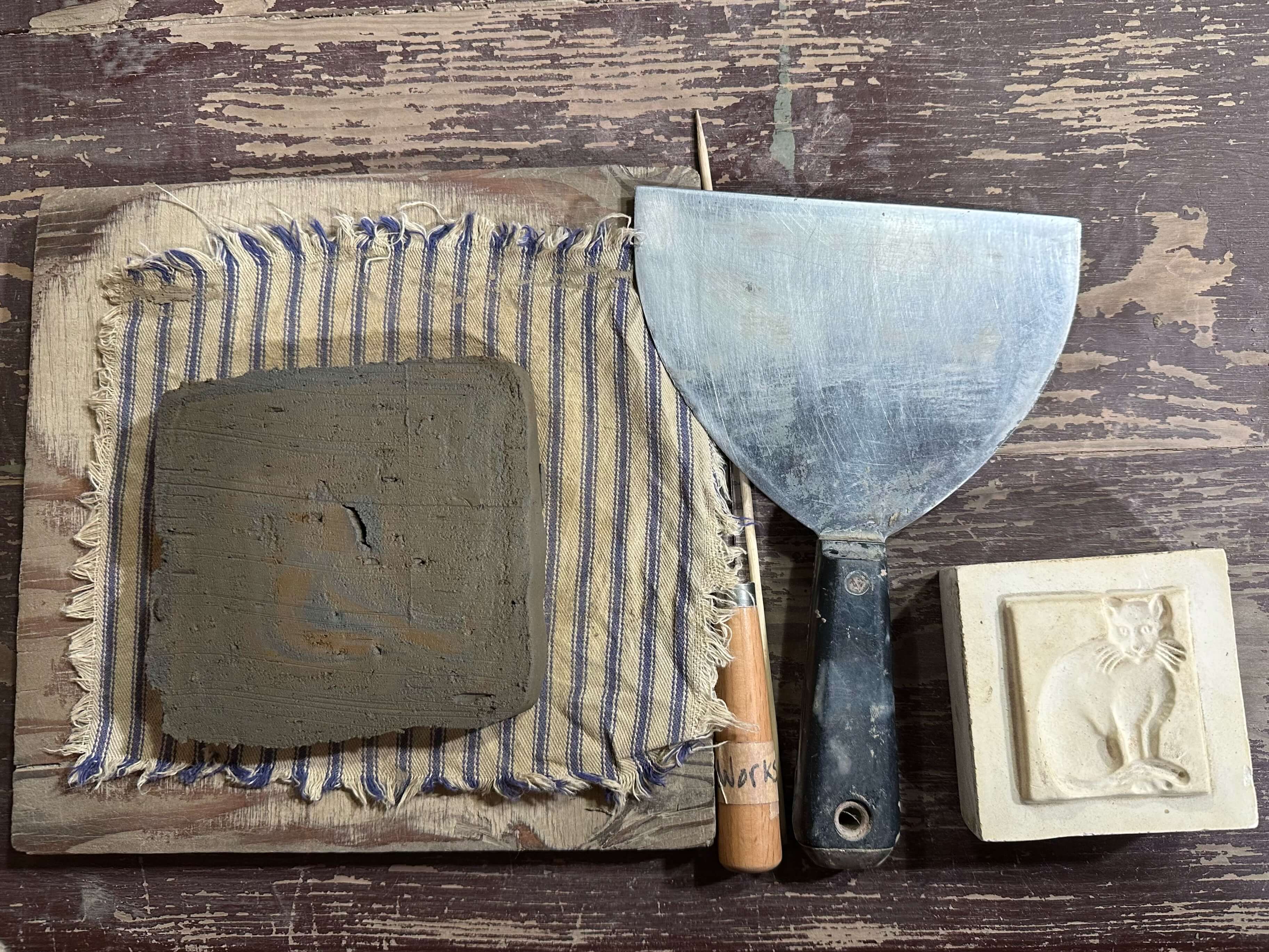
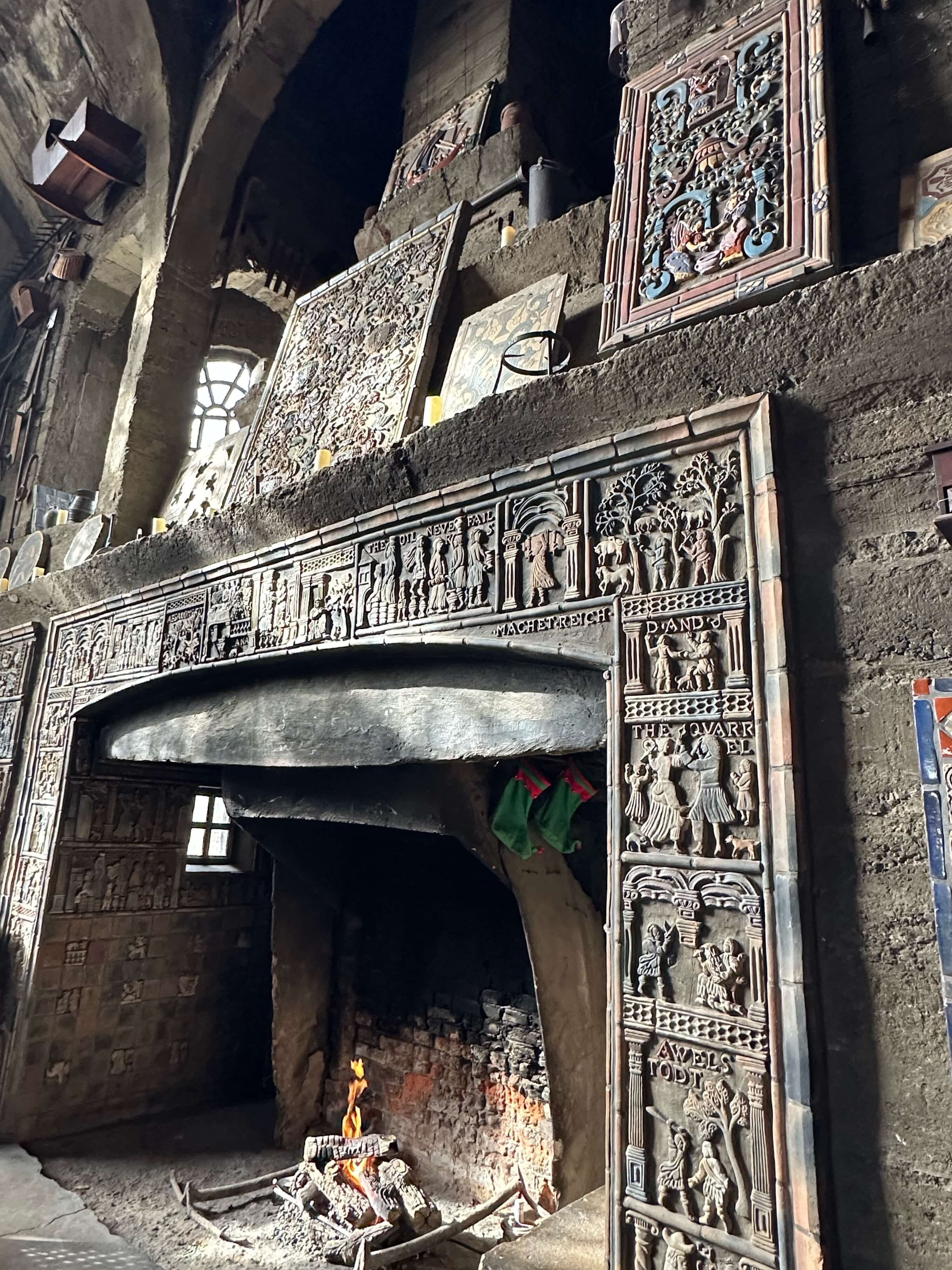 Now a working history museum, Tile Works continues to produce tiles out of local clay and offers tours and workshops. I was able to make my very own tile!
- Mercer Museum - Maybe the highlight of the whole trip. I promise you, this museum is unlike anything you’ve ever seen. Henry Mercer believed that tools and everyday objects should be preserved as an important record of life and progress. Therefore, he built this museum (yes, you guessed it, out of concrete) to house an immense collection of pre-Industrial objects. Larger objects are suspended from the walls and ceilings, while smaller objects are arranged by various crafts and trades and displayed in small rooms behind glass.
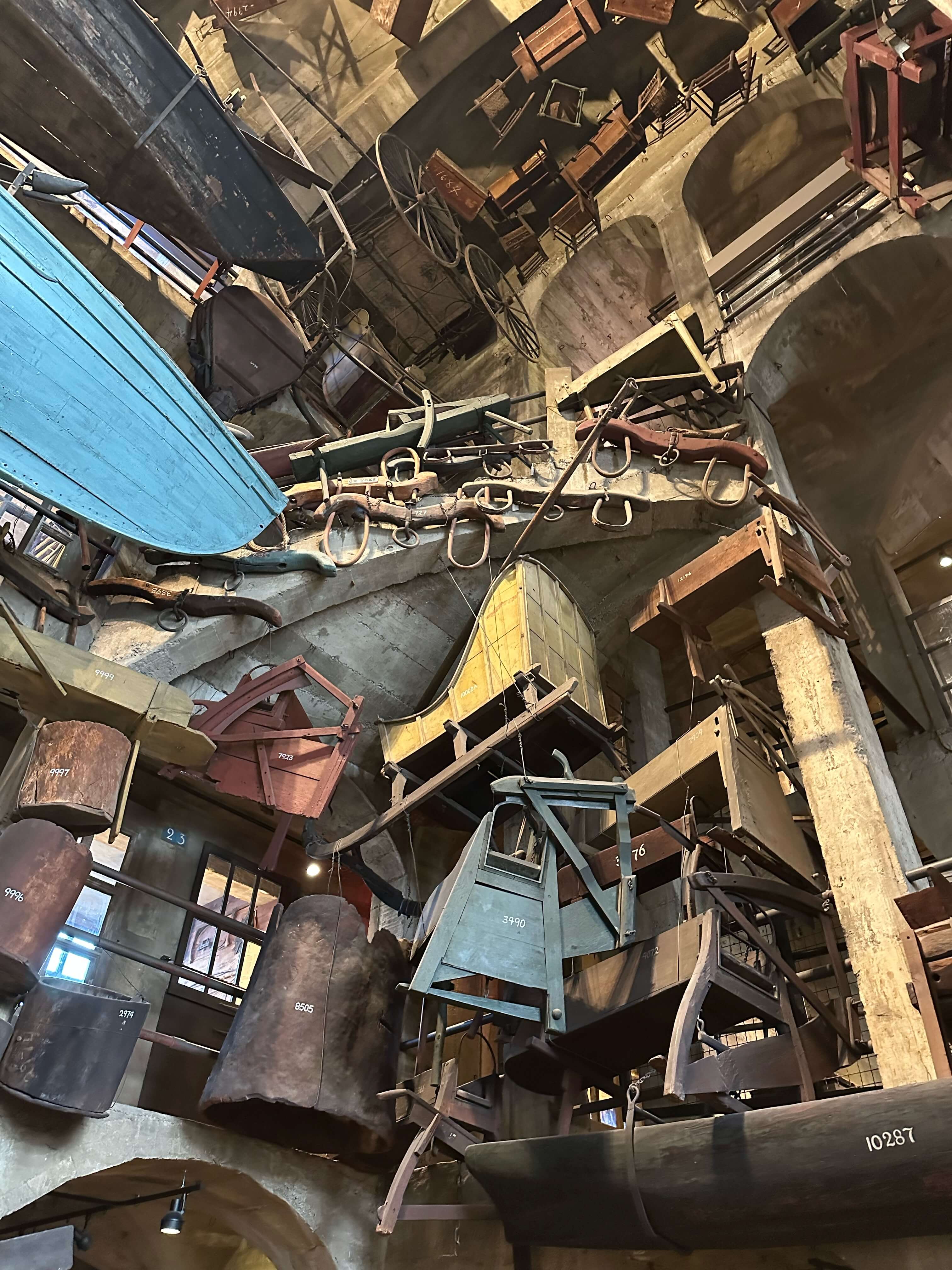 It’s an odd experience peering into these rooms of objects–it felt almost like I was looking through a storefront window, but instead of finding a charming display of things to buy, I was greeted with dozens of pre-Industrial sickles.
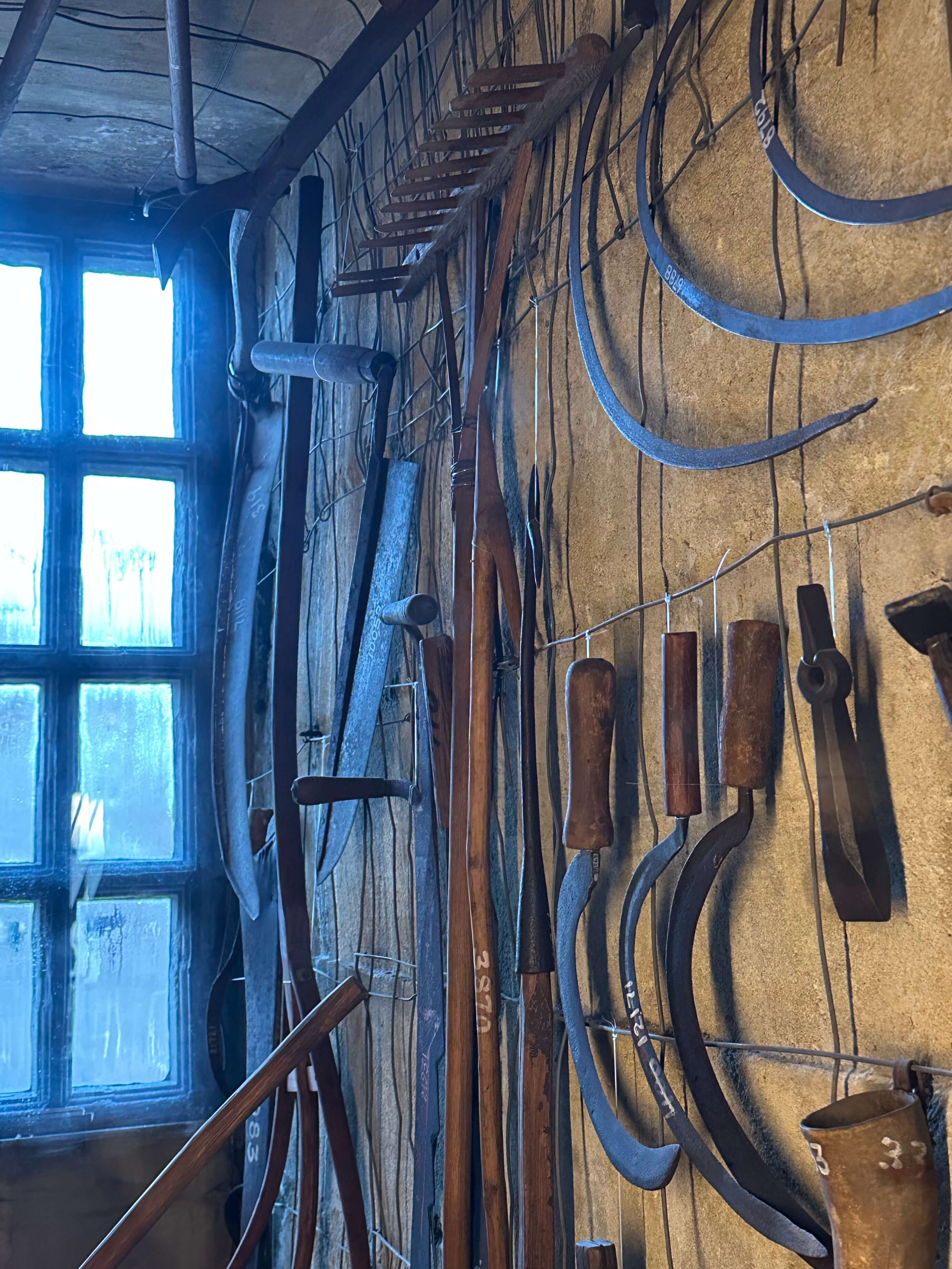 In one room, there were several apple parers, exemplifying Mercer’s process of “deliberately collect[ing] a multitude of similar tools,” as “examples of individual craftsmanship.” All I can say is, Mercer was right. There’s something powerful (maybe even spiritual lol) about looking at all of these objects–they make you feel oddly connected to the people who used them, and they paint a vivid picture of history. We also saw a special exhibit on the Doan Gang, an infamous group of Loyalist outlaws from Bucks County, which was actually more interesting than I expected, but definitely not as interesting as looking at all those damn sickles.
- Fonthill Castle - Of course, my guy Mercer had to build himself his own home made out of his beloved concrete!
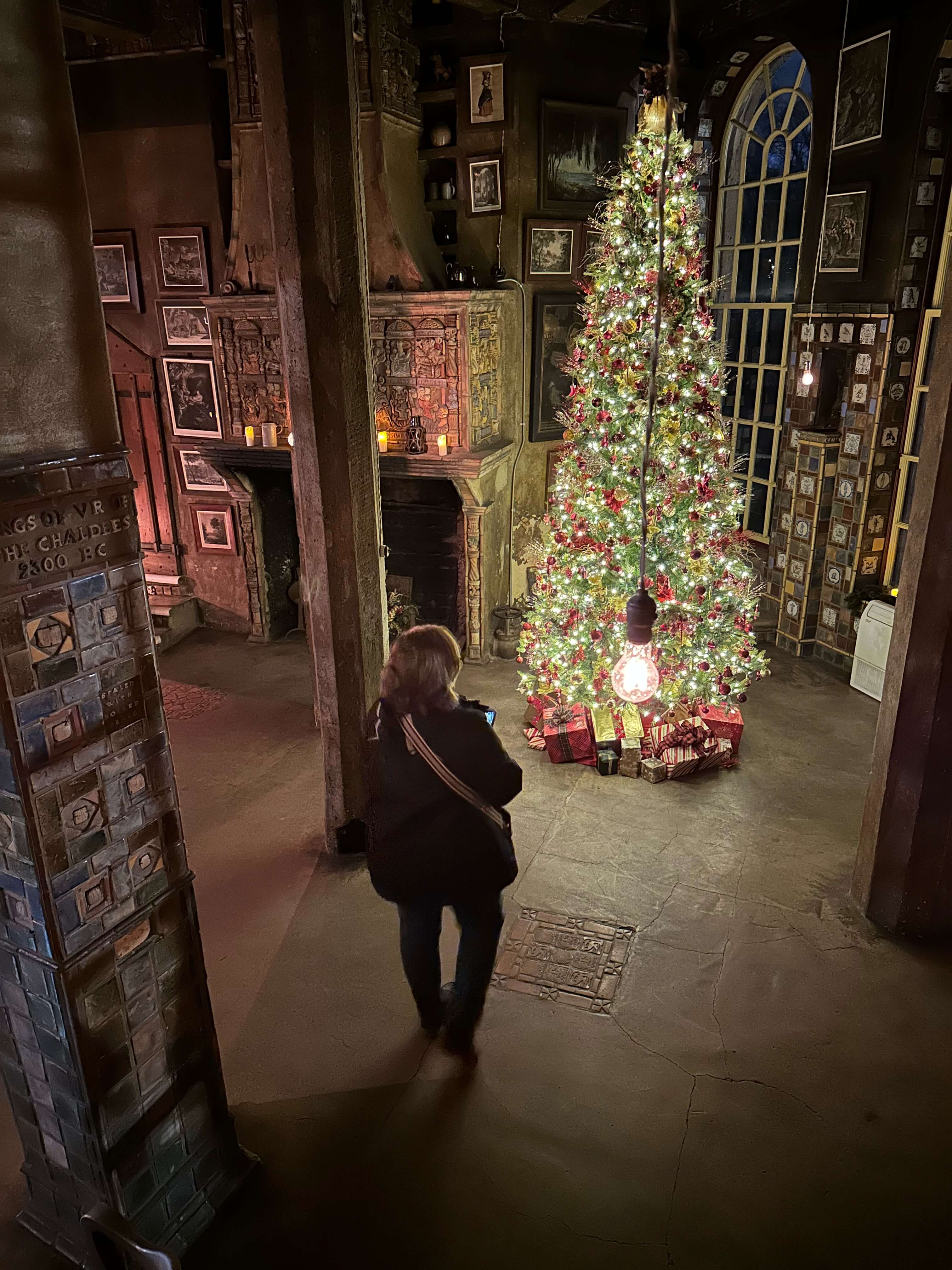
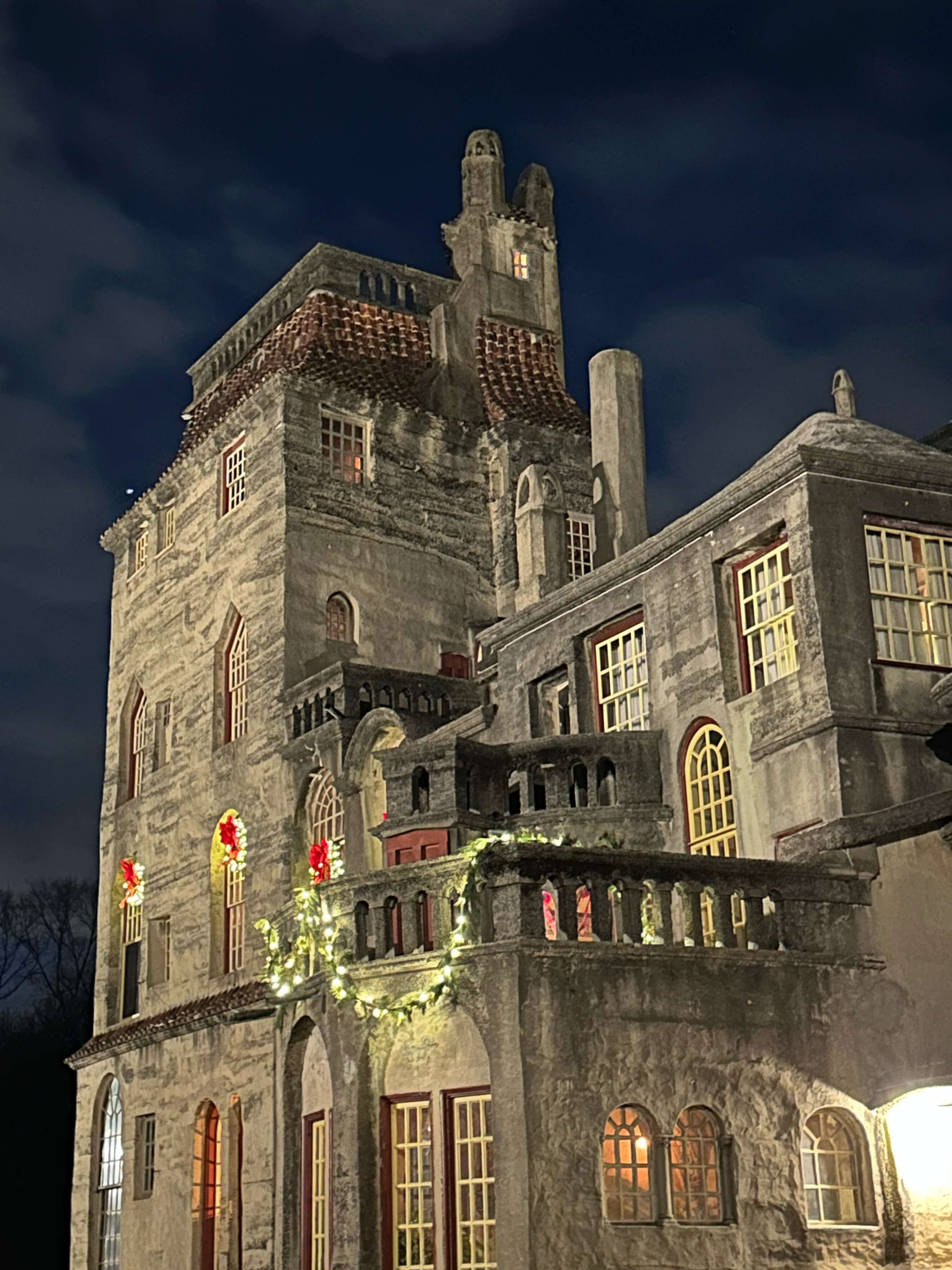 This place is insane. It’s full of books, art, and tiles. The tiles throughout the home display all kinds of things–a scene from a Charles Dickens novel, Bible stories, cheeky Latin phrases. The rooms are stunning, with angles that look like they’re straight out of The Cabinet of Dr. Caligari. Since we were there around the holidays, Fonthill was open late and had a Christmas tree in each room (with a pickle hidden on each tree, a tradition I’d never heard of). It’s rare to tour a house museum at night, and wandering around this castle-like home after dark felt strangely intimate.
*Similar to the pubs in Ireland, it’s much easier to eat here according to a vegetarian diet than a vegan diet, so I broke veganism for a few hours. I have a rule for myself that when I travel abroad, I am vegetarian rather than vegan. This allows me some flexibility in exploring local cuisine. Typically, I don’t apply this rule to domestic trips, but depending on the situation, it can be helpful. I don’t say this to shed vegan tears or ask forgiveness from the vegan gods, but because I want to remain a strong advocate for veganism, which is how I eat 99% of the time. I’ve become increasingly annoyed with how out of vogue and demonized vegetarianism and veganism have become. The White House is X’ing out pro-meat propaganda, and even Owen Thiele is on his podcast mocking how “everyone was vegan in 2018.” While I do NOT think personal eating habits are the strongest form of politics, I think there’s a fascist cruelty in this obsession with meat. Perhaps it’s a blackpilled desire for transgression to contend with our lack of political power. “Who gives a fuck about the environment or abused animals? What do you want me to do about that?” I’m all for a critique of the individualized politics of plant-based diets, but if that critique isn’t supplemented with alternative forms of action, what good does it do? Why not at least try to live a life according to your ideals? If you forgo every opportunity to live out your principles, do you even have any beyond maintaining your own comfort? I’m directing these questions at myself, too.