The Objects of My Life in 2004 and 2006
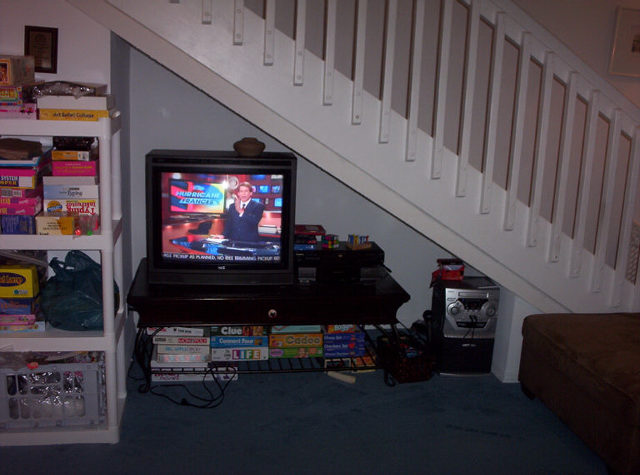
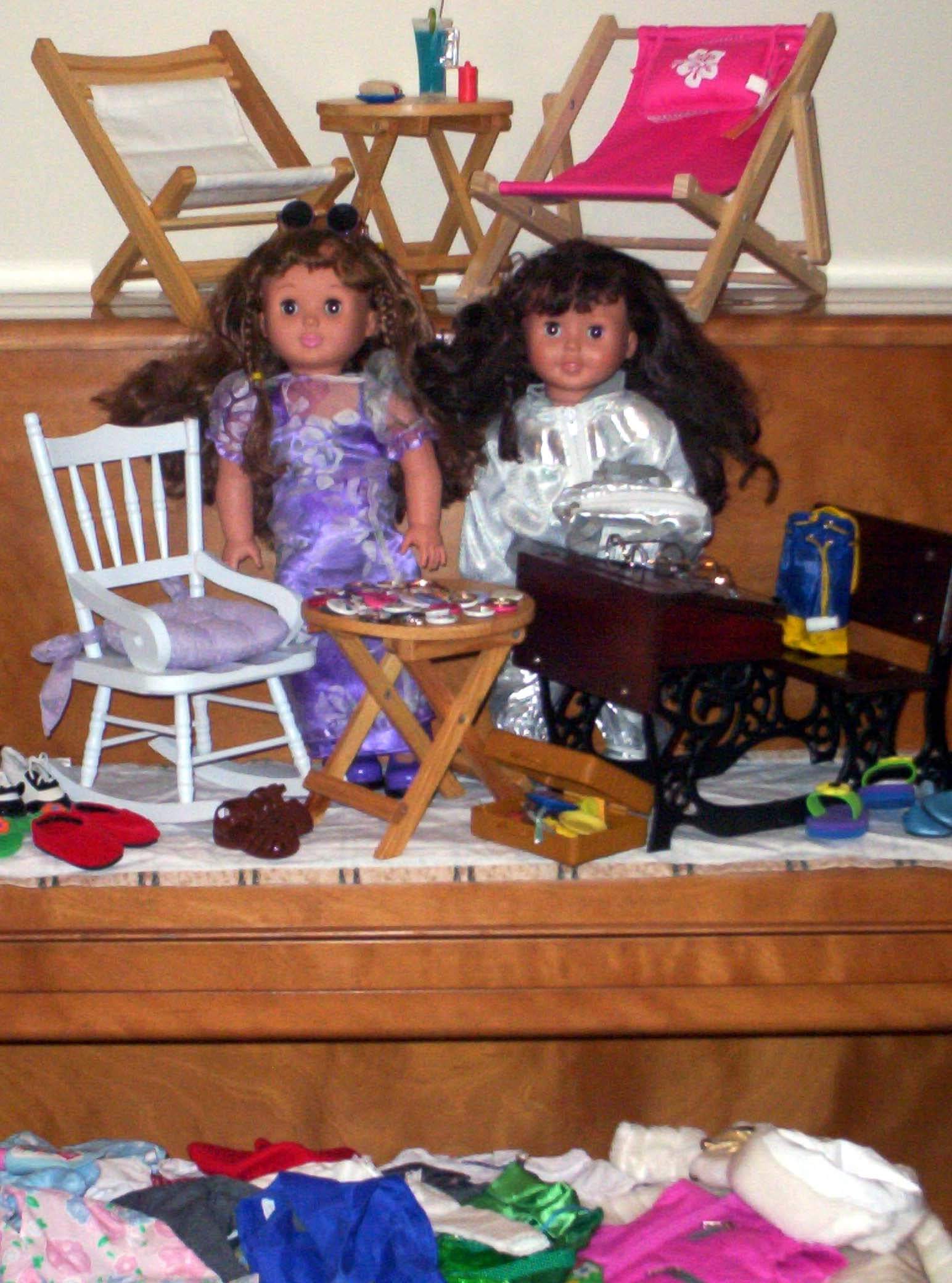
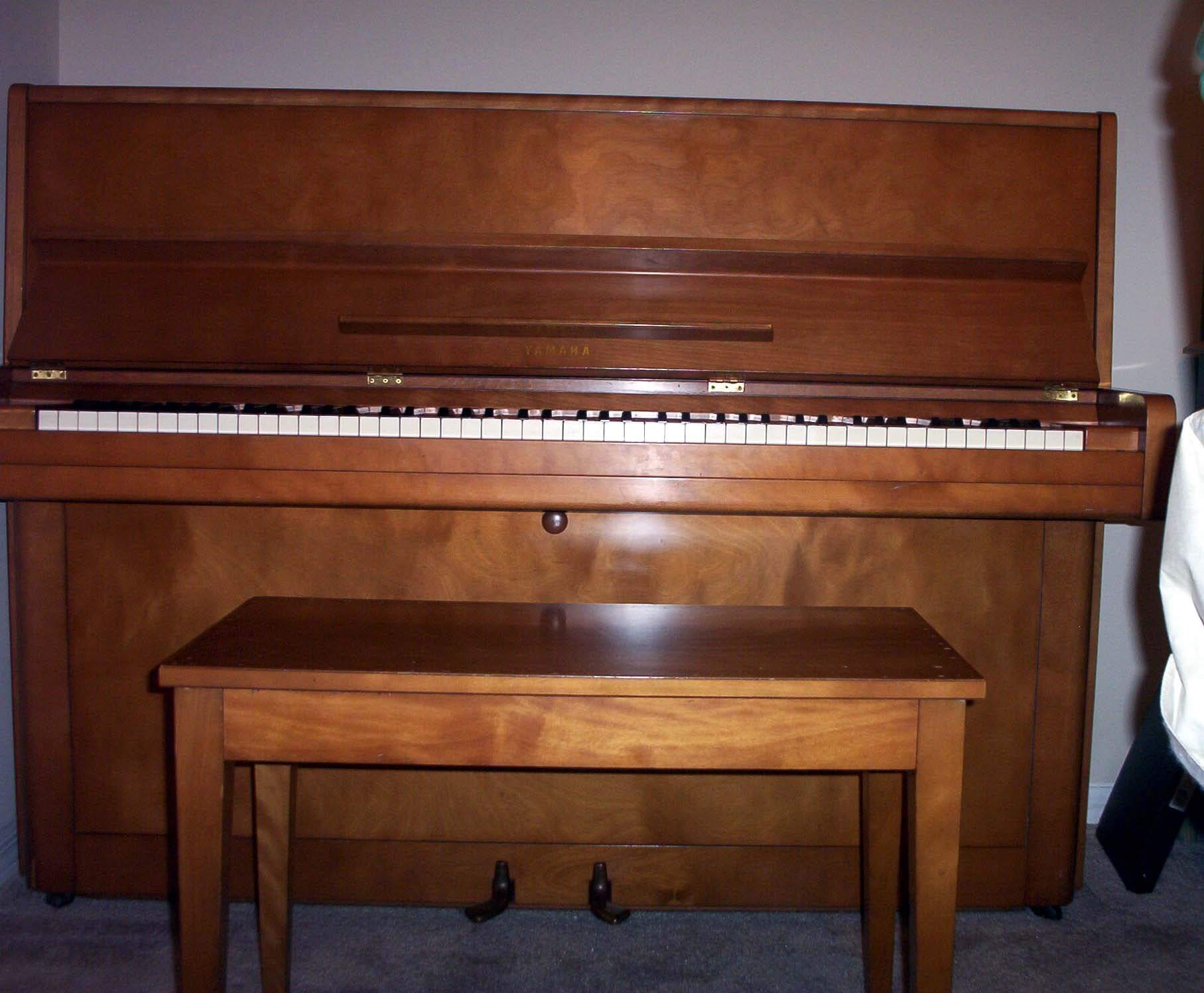
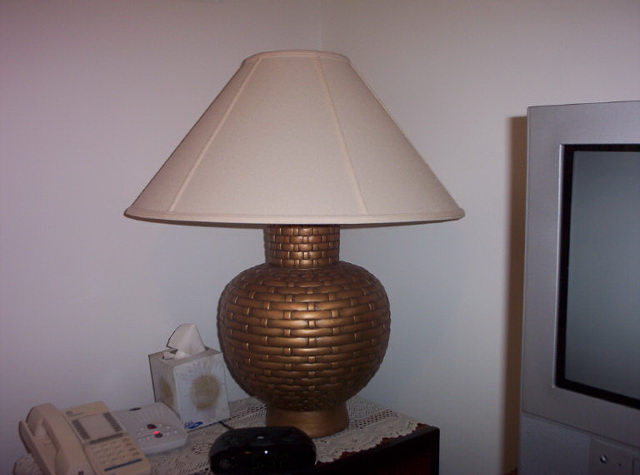
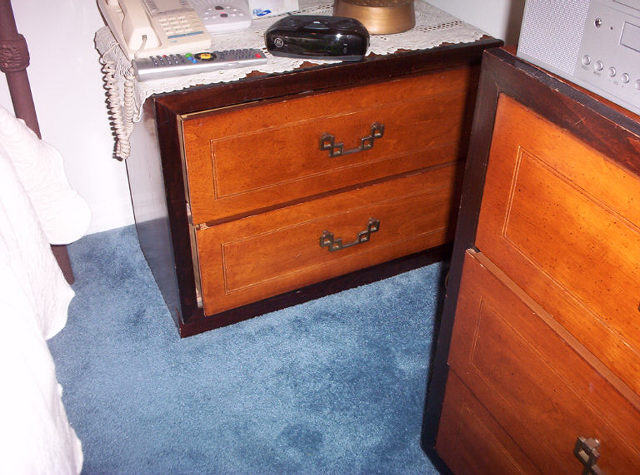
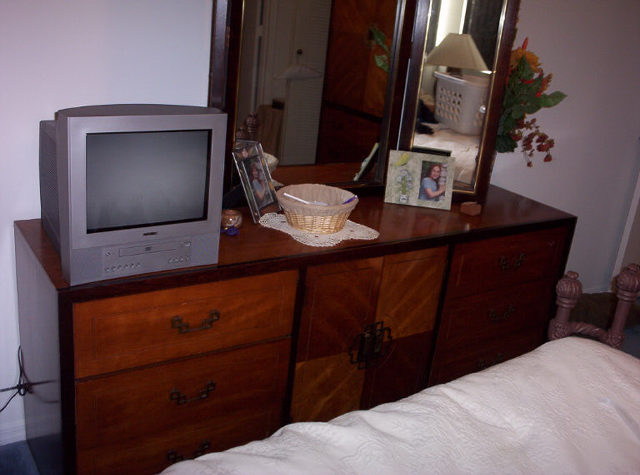
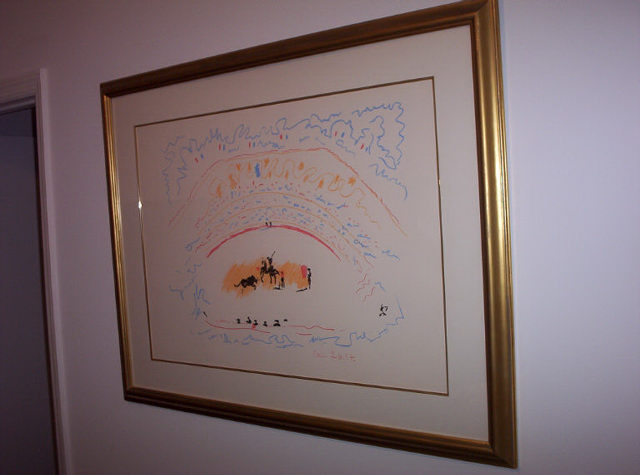
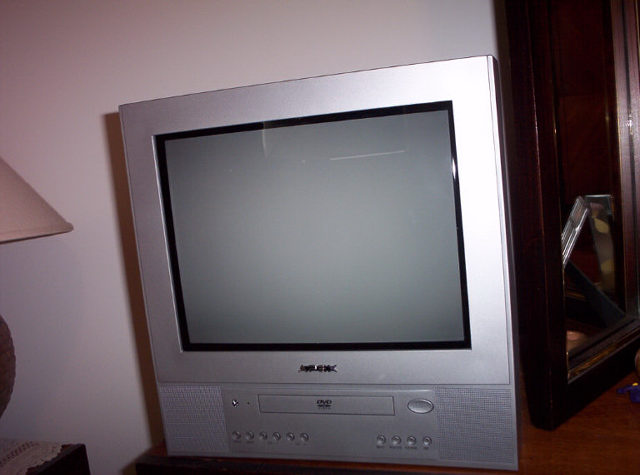
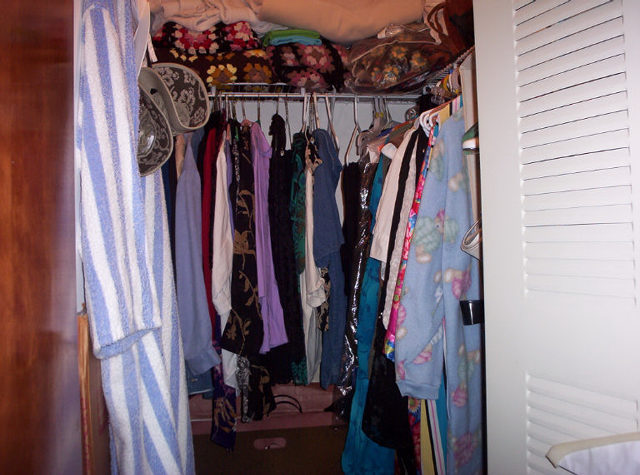
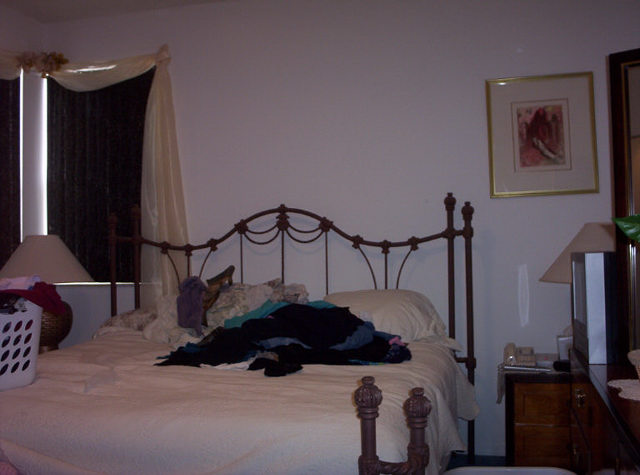
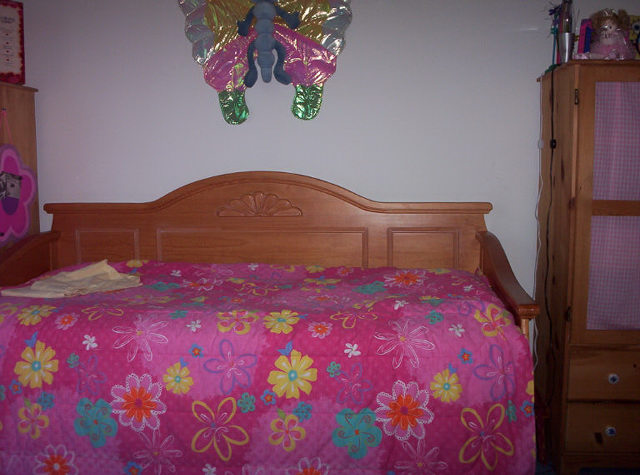
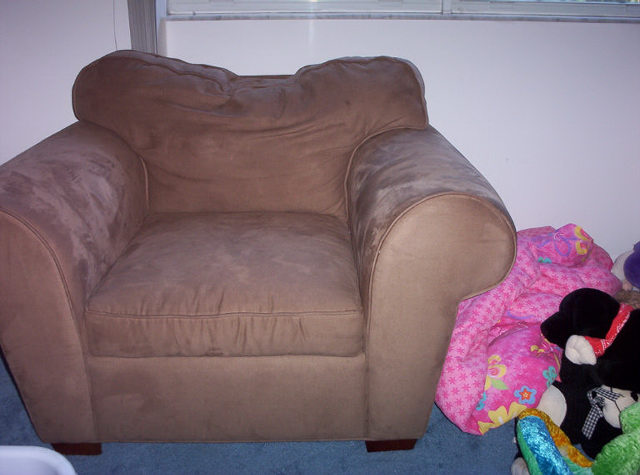
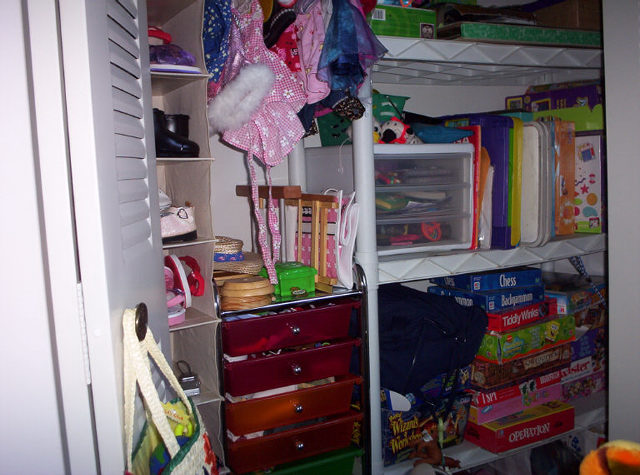
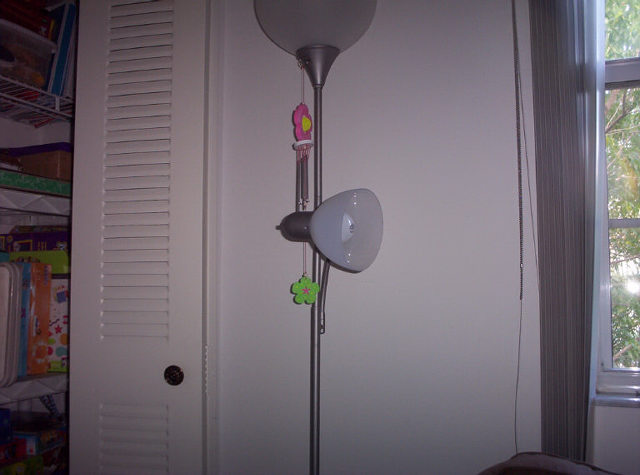
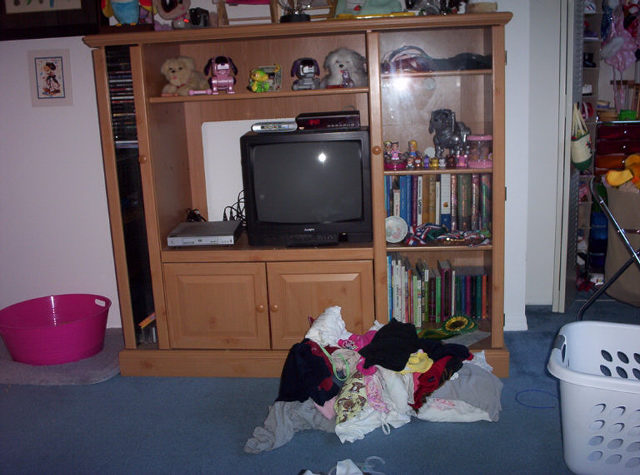
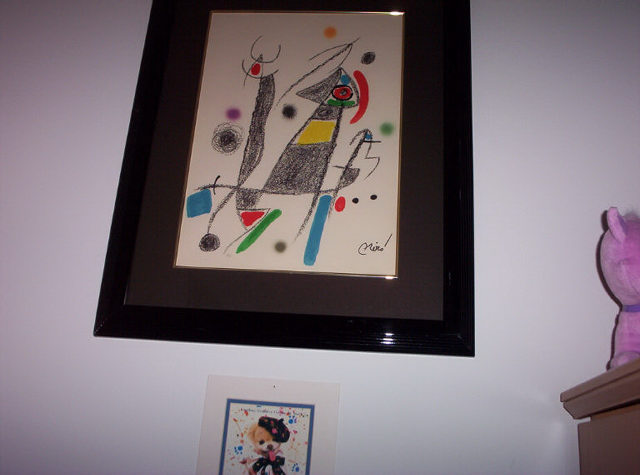
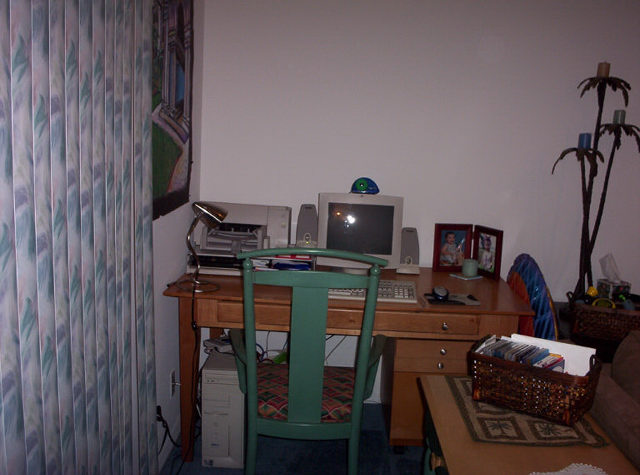
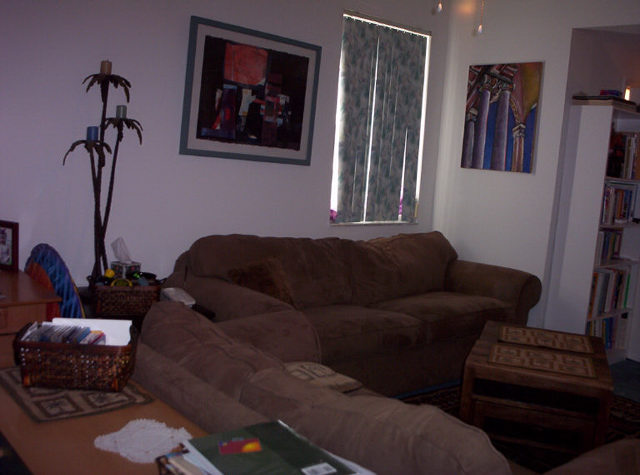
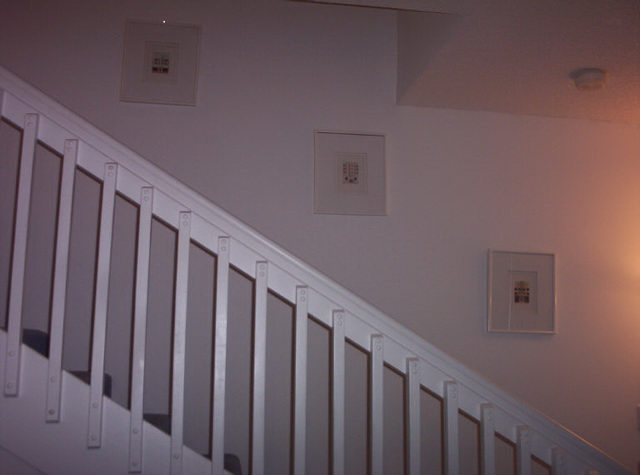
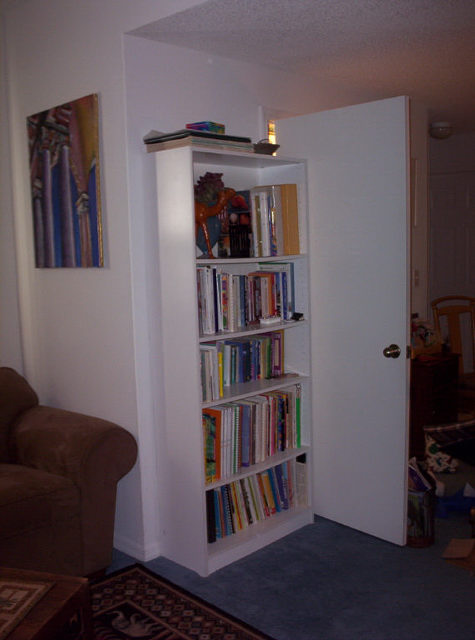
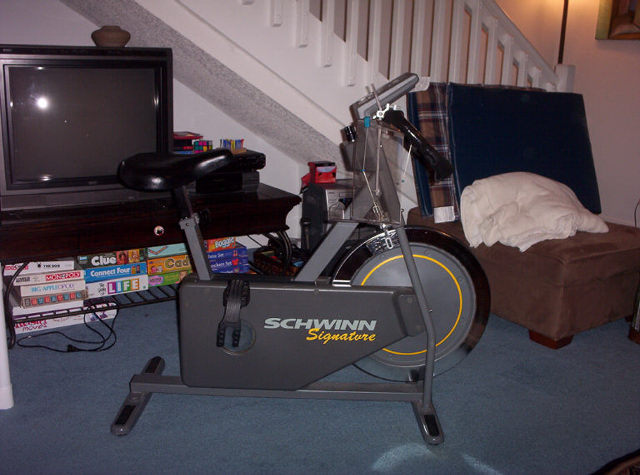
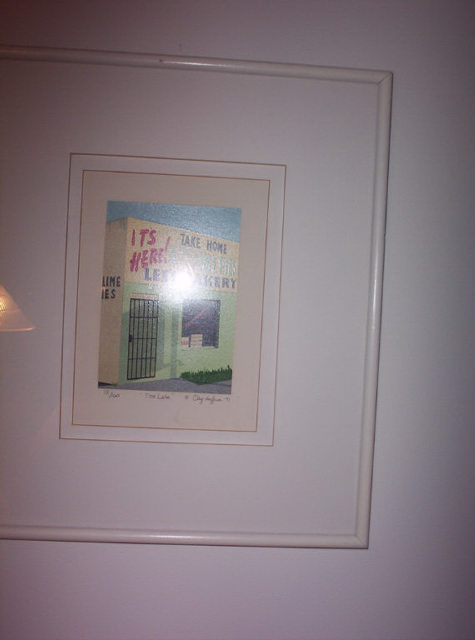
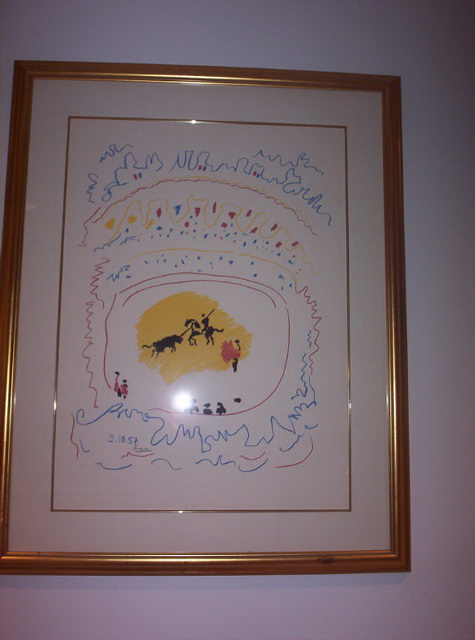
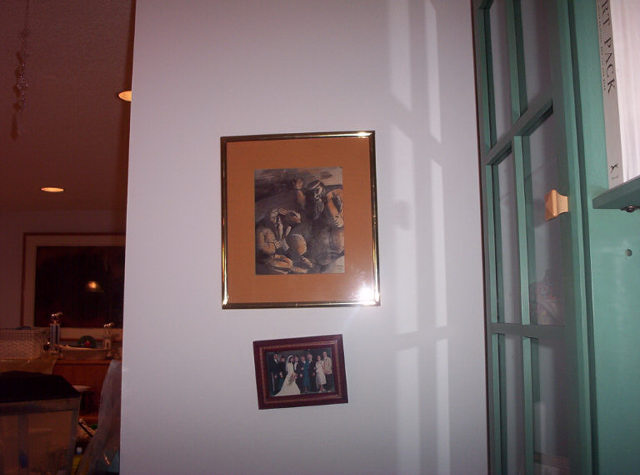
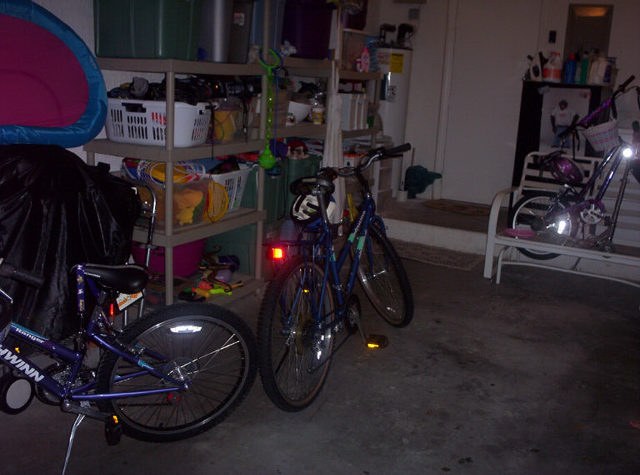
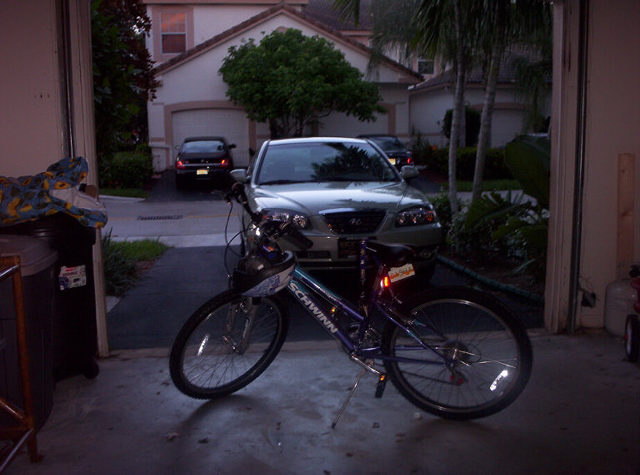
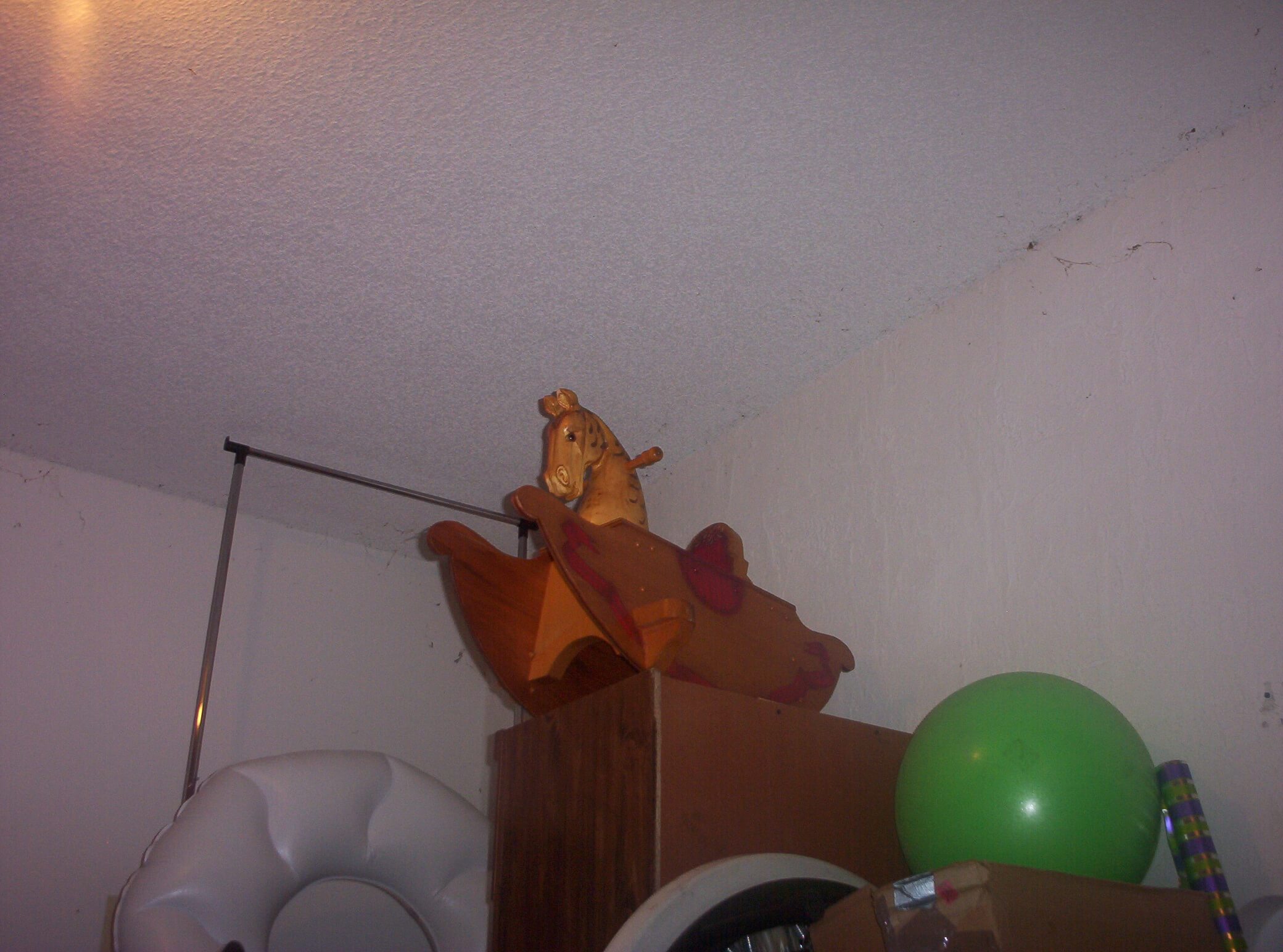
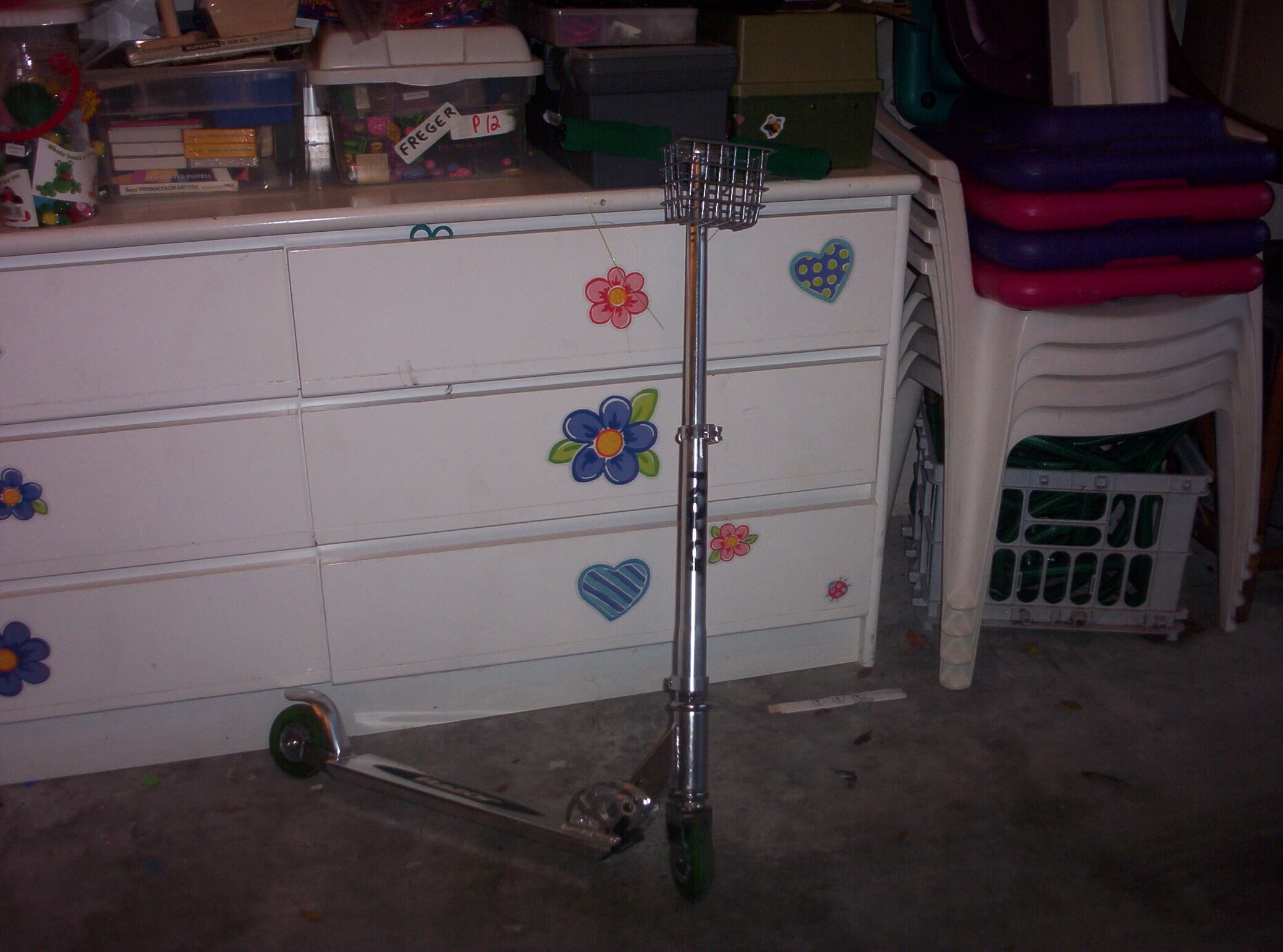
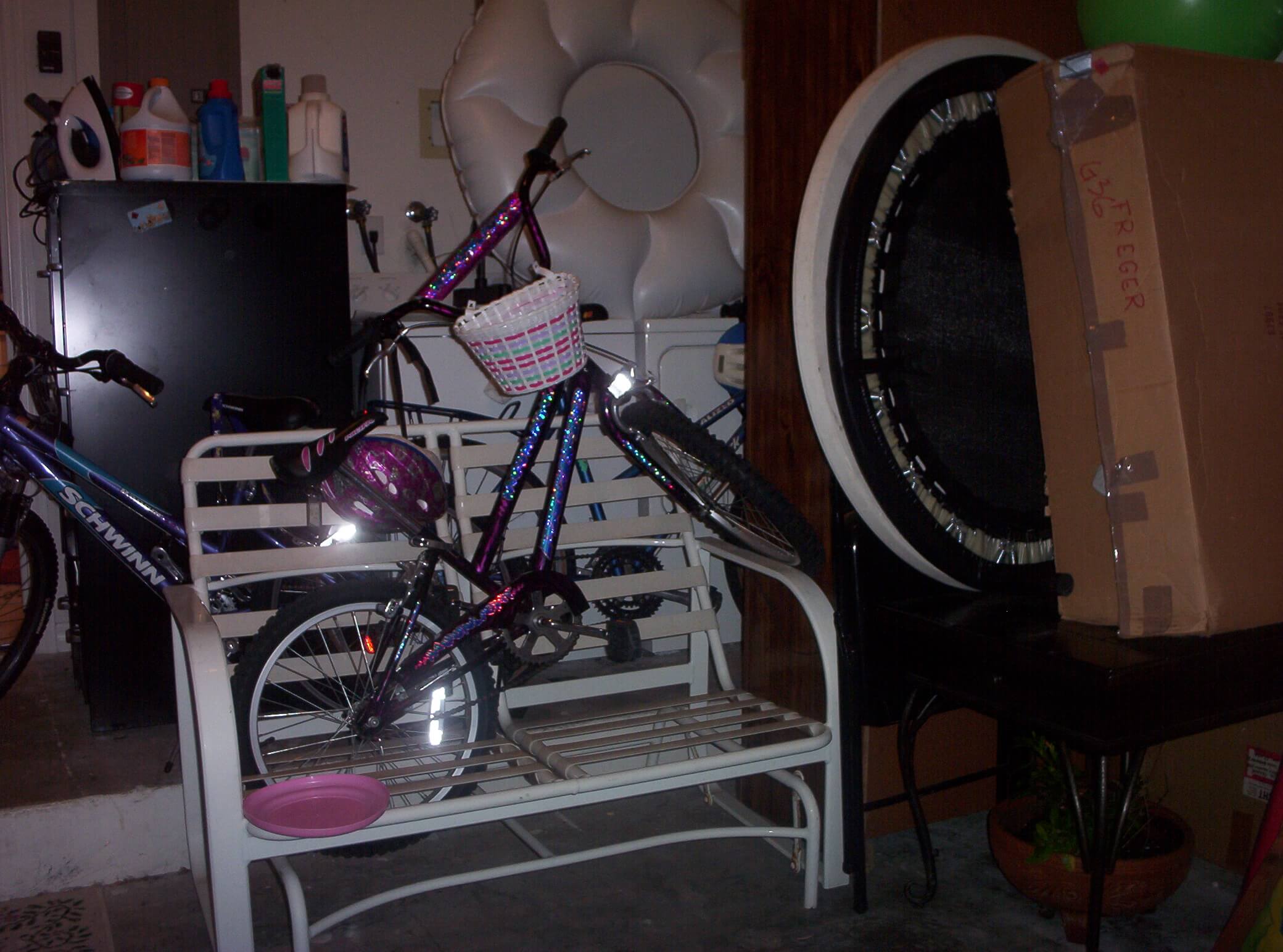
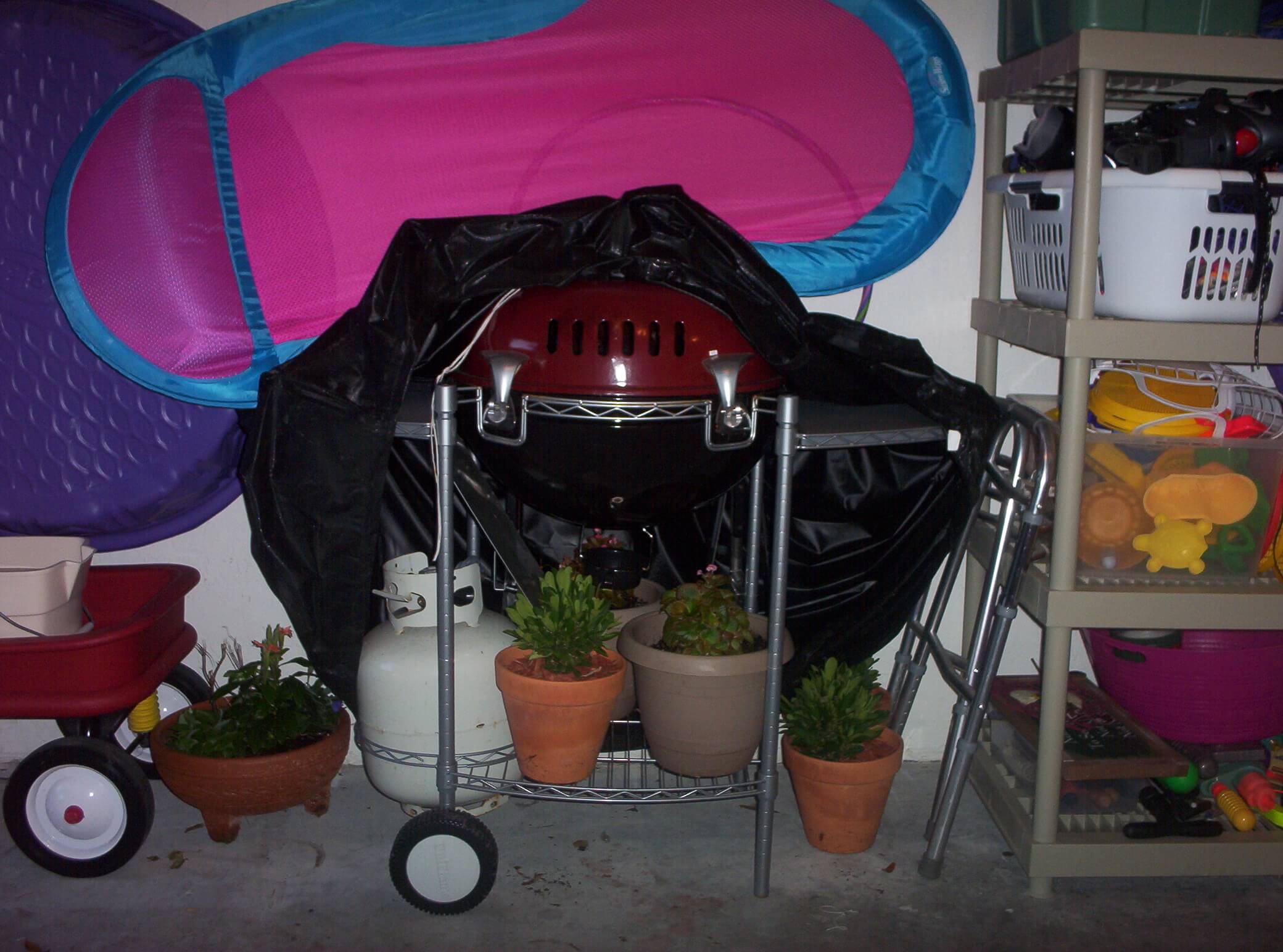
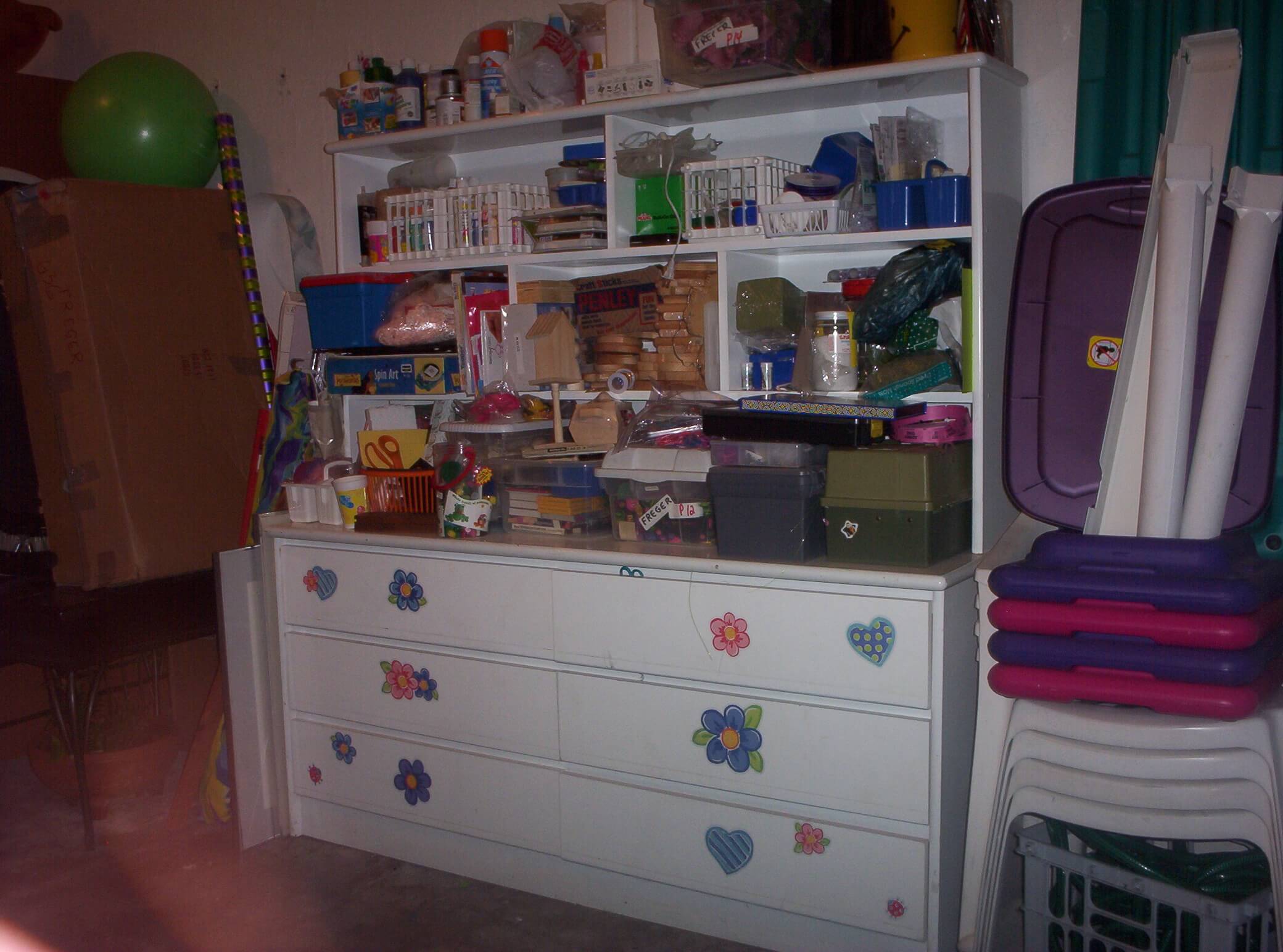
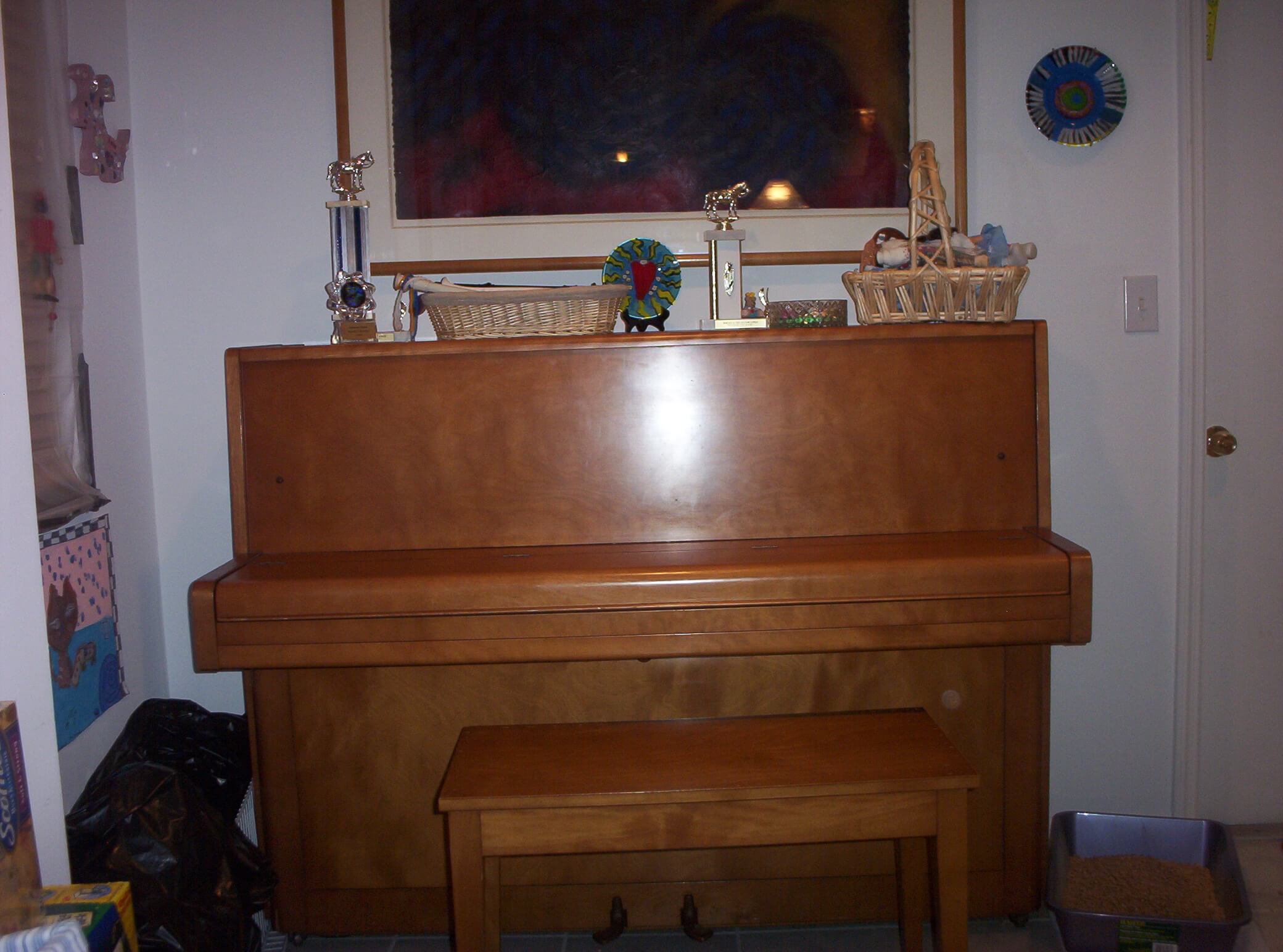
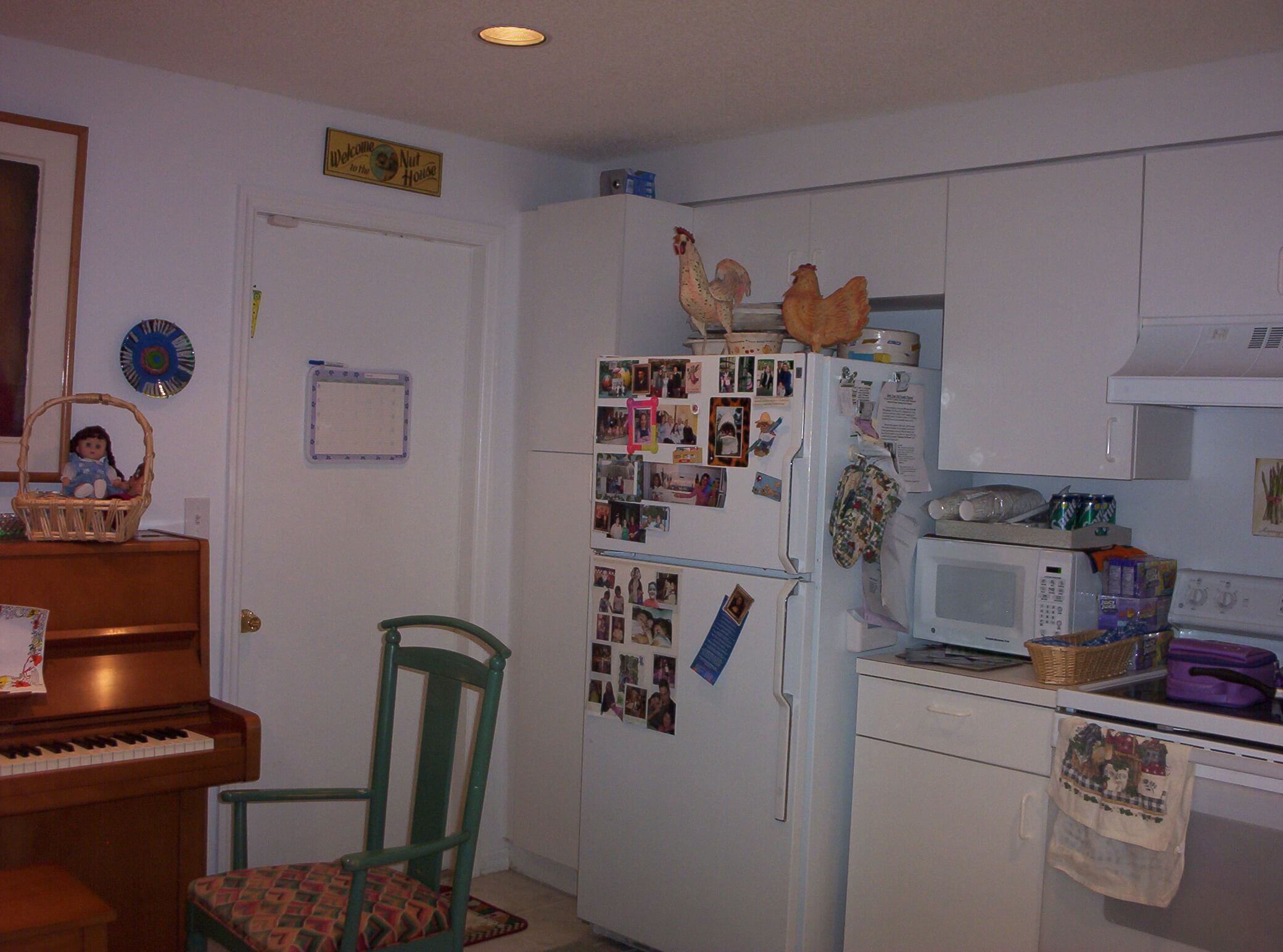
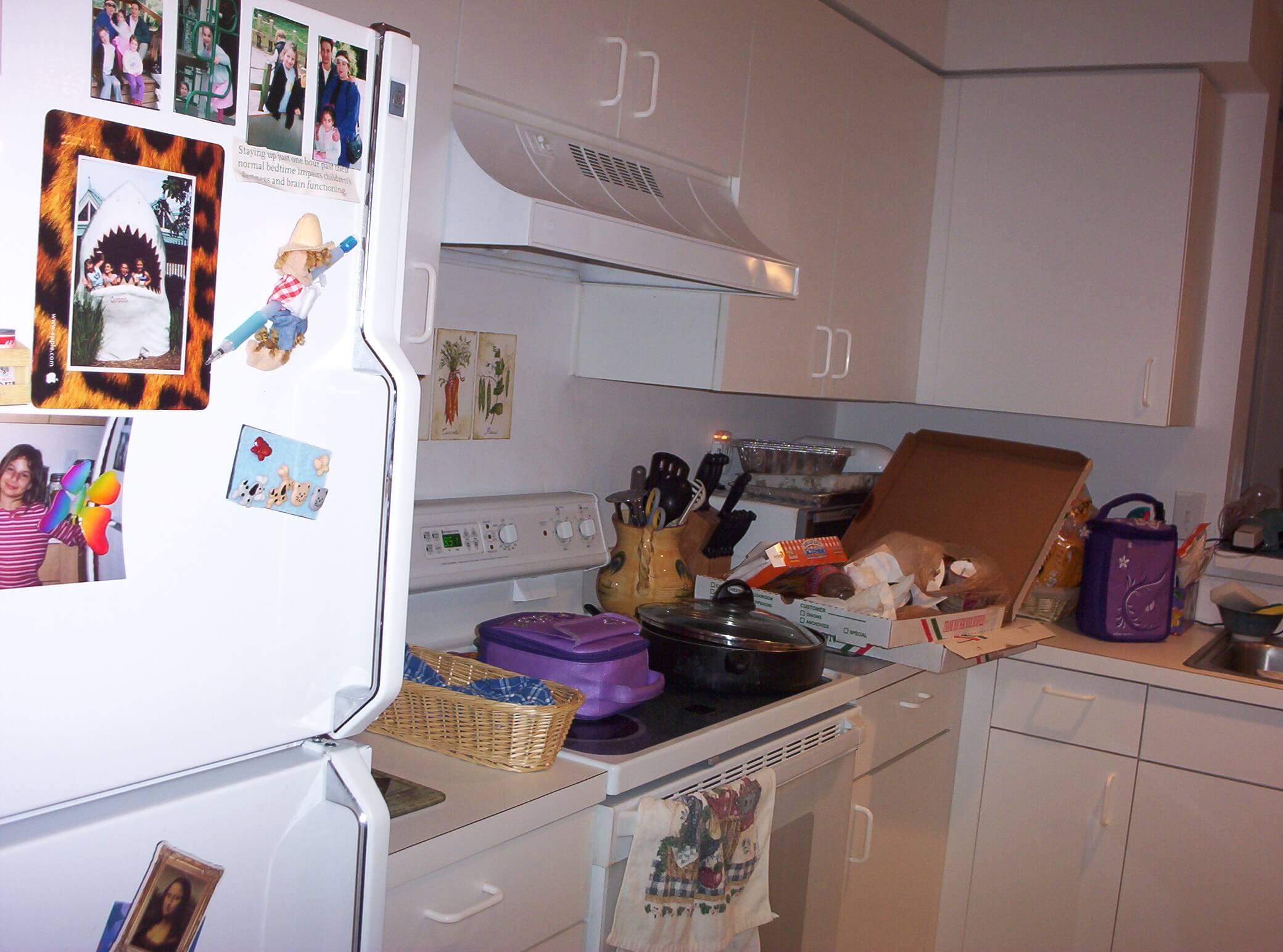
In 2004, my mom walked through our townhome snapping photos. Hurricane Frances was approaching and the weather reports anticipated a bad storm. She worried our home could be flooded or severely damaged, so she took photos of our possessions for insurance purposes. A couple years later, in 2006, she walked around a different apartment, taking photos of valuable objects she hoped to sell in anticipation of an upcoming move.
I recently came across these images on a hard drive containing family photos. Among folders labeled "disney,” "warped tour,” “2009 halley bday,” and "halley graduation high school," was a strange folder labeled “blue carpet townhome and apartment.” Unlike the other photos on the drive (save for a folder labeled “ghosts,” my mom’s attempt at capturing spirits in the form of glowing orbs on a ghost tour), these photos were devoid of human subjects. Instead, these mysterious images focused only on inanimate objects.
As I clicked through the pixelated photos, I had a VR-esque experience; I felt as if I were there, turning my head as I scanned the room. (If anything, the pre-iPhone relic of low-resolution created an even more accurate depiction of the time as I remember it.)
In Mark Fisher’s Ghosts of My Life, he writes, “It’s those things lurking at the background of attention, things that we took for granted at the time, which now evoke the past most powerfully.” When I saw a trailer for the upcoming Michael Jackson biopic, I didn’t feel transported to the past. The “Thriller” music video is so burnt into our culture that it still feels present. It’s not the past itself; it’s a present-day symbol used time and time again to illustrate the past, therefore incapable of transporting me to a previous era. According to Fisher, “the thing with icons, after all, is that they evoke nothing.” These kinds of cultural artifacts are constantly resurrected, haunting us in a zombified state. But it’s forgetting that allows us to remember. We are transported to the past by objects and artifacts that have, as Fisher writes, “avoided museumification and memorialization, stayed out of the photographs, been forgotten in a corner.”
Usually, objects from my youth would be literally relegated to the corners, since domestic photos typically capture people and events. Perhaps I could zoom in on the background of a photo from my birthday party in 2009 to find a copy of Breaking Dawn on my bookshelf, but I probably wouldn't even think to look beyond the smiling faces illuminated by the bright point-and-shoot flash. However, in these photos my mom took from 2004 and 2006, the objects are pushed from the margins to the center of the frame. They aren’t the living dead—they’re stuck in the past and I time traveled to visit them. As I clicked through the photos, I came across my HoverDisc toy and suddenly I was brought back to my youth. I remembered the commercial that made me want it so badly, formerly forgotten but now conveniently available on YouTube.
Maybe, if you’re close in age to me, you feel a similarly powerful nostalgia when looking at these images. Perhaps for a moment you’re fooled into thinking they’re images from your childhood because you owned the same objects. Our fingerprints may be different, but our HoverDiscs were identical. A sense of self is composed, in part, by objects. In her project Object-Oriented Identity, designer, researcher, and author Zsofia Kollar examines “the unforeseeable directions in our product-oriented society, where one is no longer the sum of their actions, but the sum of their own objects.” Through her research, Kollar explores everyday objects as an extension of the self. She draws on philosopher and psychologist William James, who wrote that “between what a man calls me and what he simply calls mine the line is difficult to draw.” The mystifying photos in “blue carpet townhome and apartment” aren’t just compositions of inanimate objects, they are portraits of my family and our life. They tell the story of our hobbies, our dreams, our identities, and the world we existed within.
Sometimes I crave a childhood bedroom to return to, a place where my formative memories happened. Scrolling through these photos, I felt like I had a way to visit that space. These photos, simultaneously empty and full, served as a catalyst and container for a nostalgic experience I’ve been searching for.
I moved around a lot as a child, having lived in eight different homes and three states by the time I was eleven years old. After that, I lived in the same townhouse in Charlotte, North Carolina until I went away to college. This was the longest I had lived in any one place, so when I’m asked where I’m “from,” Charlotte is usually my answer. However, I’ve never felt like that home held all of my childhood memories, many of which feel very transient, floating about in apartment buildings and houses I’ll never see again: crying in fear after walking in on my parents watching Mars Attacks! at a house in New Jersey, receiving a life-size Barbie at a different house in New Jersey, celebrating my dog-themed birthday party at a house in Florida. More memories scattered when my mom sold the house in Charlotte a few years ago and moved to New Jersey.
By the time Hurricane Frances made landfall, I was living in a blue-carpeted townhouse in Weston, Florida. This was the first house I lived in after my parents got divorced. After that, we moved to the apartment in Pembroke Pines. I remember this is where my friend Monica helped me apply eyeliner for the first time. I remember running into my mom’s bedroom to tell her I had started growing peach-fuzz-like pubic hair. I remember my two aquatic frogs, Albert and Armand, purchased at a kiosk at the local mall and named after the characters in The Birdcage. I don’t remember what happened to them; they must have died. Eventually, my mom decided to move us to Charlotte and, ahead of the move, photographed the objects she was selling.
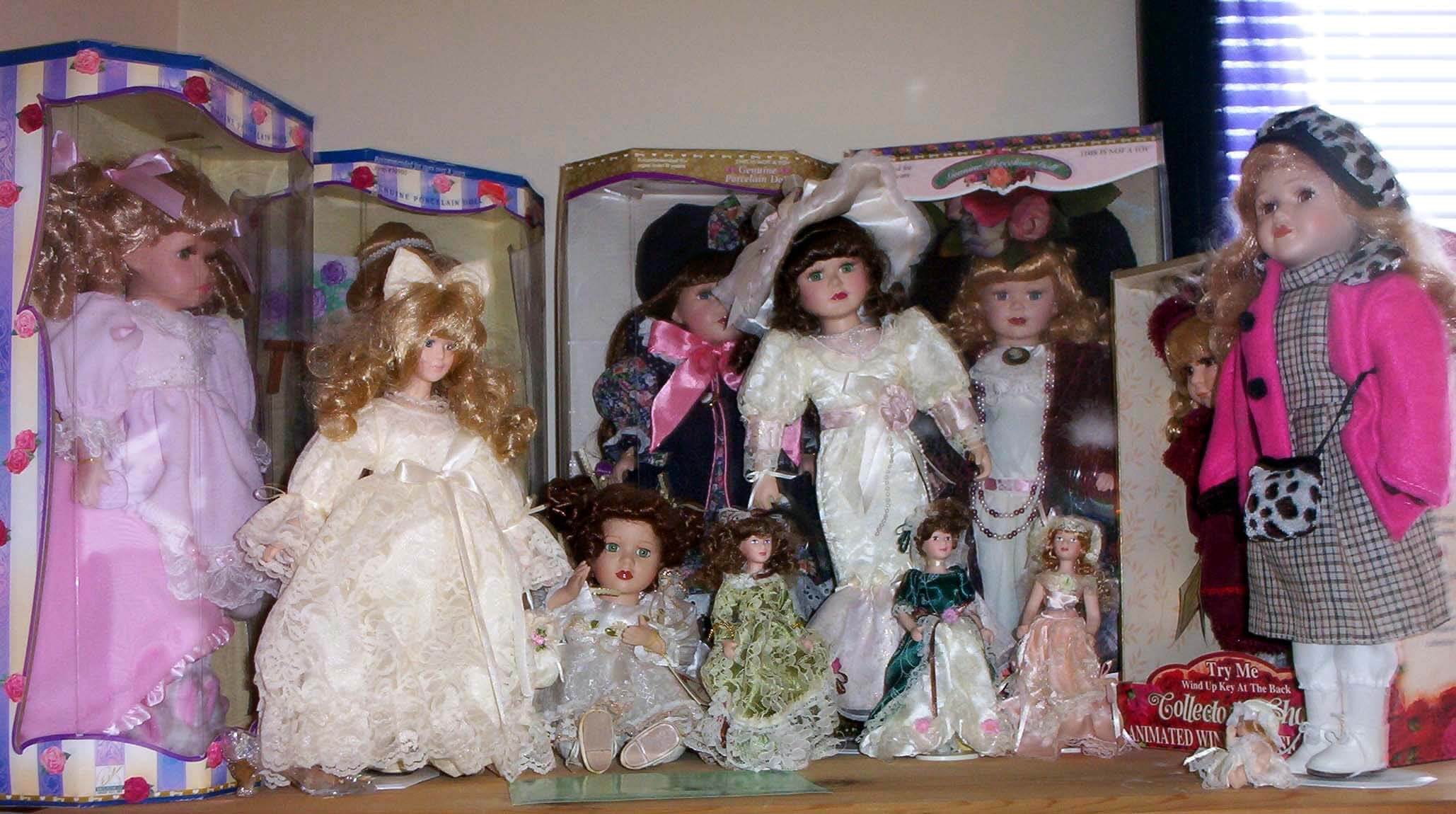
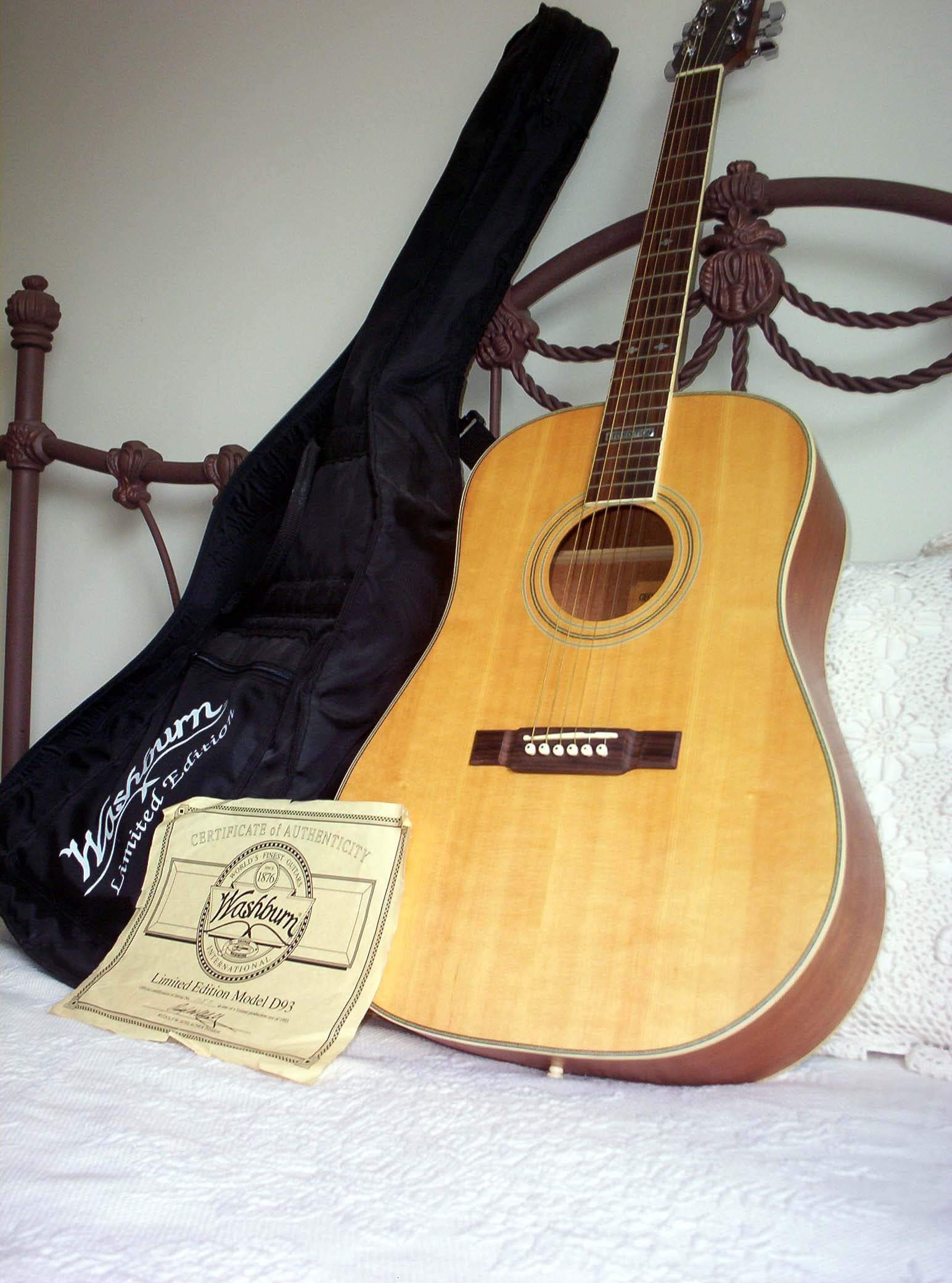
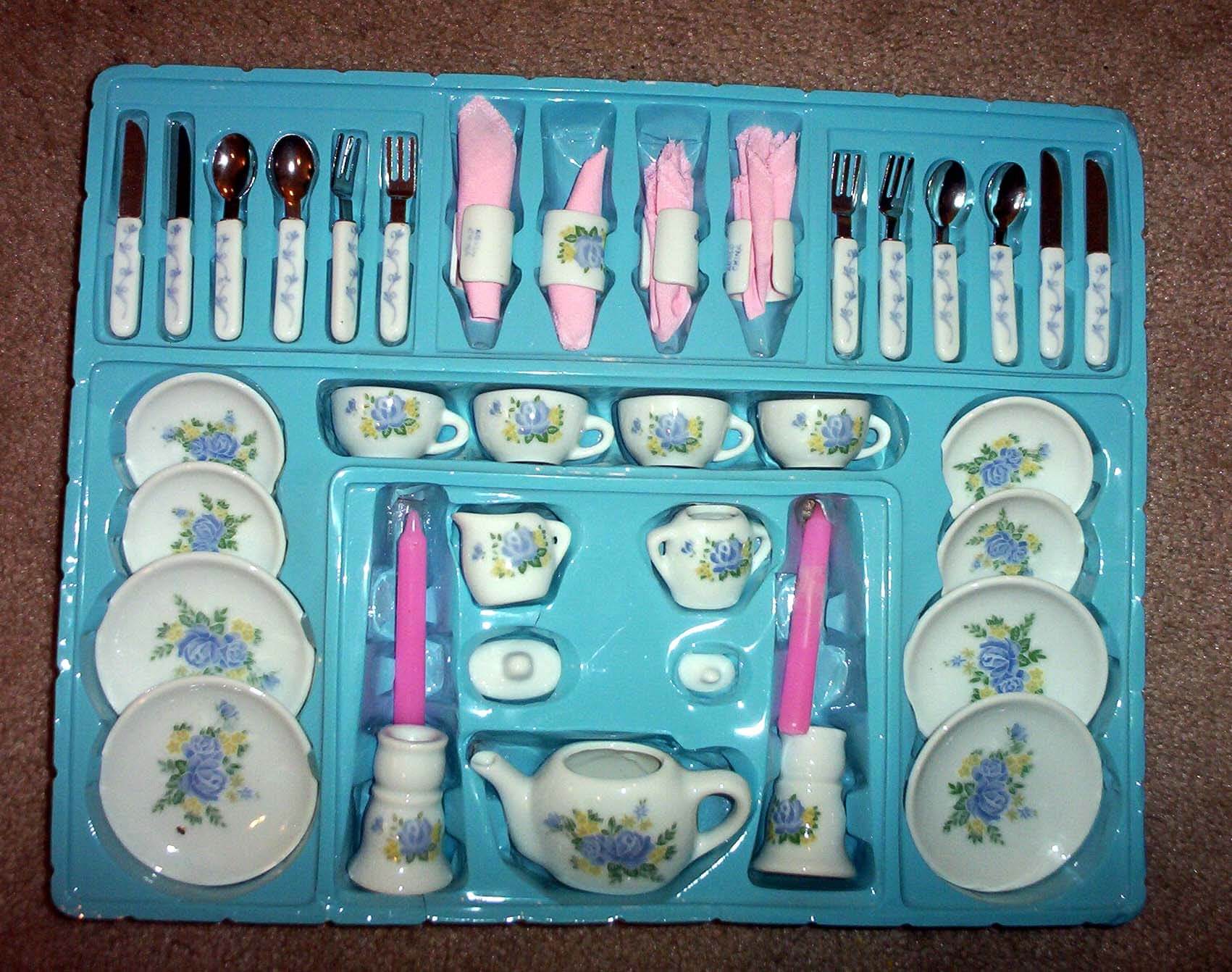
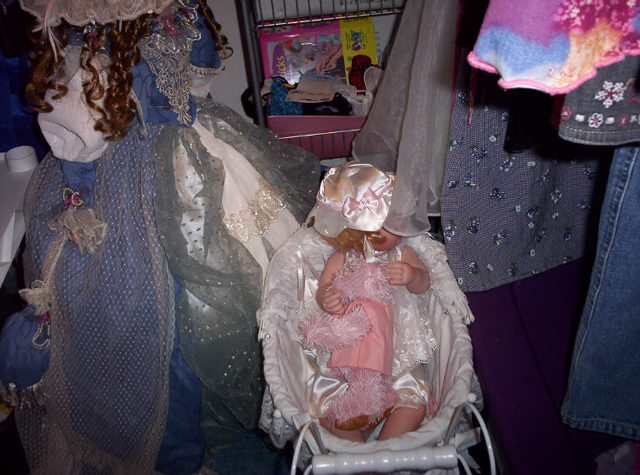
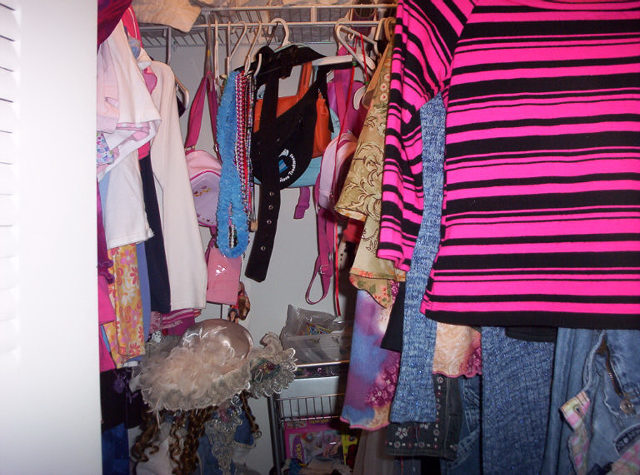
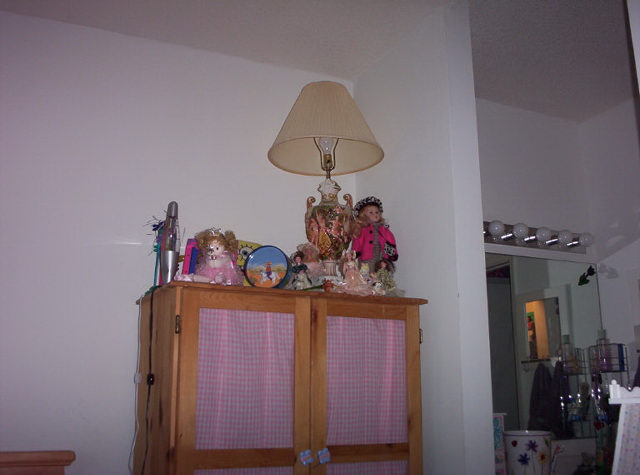
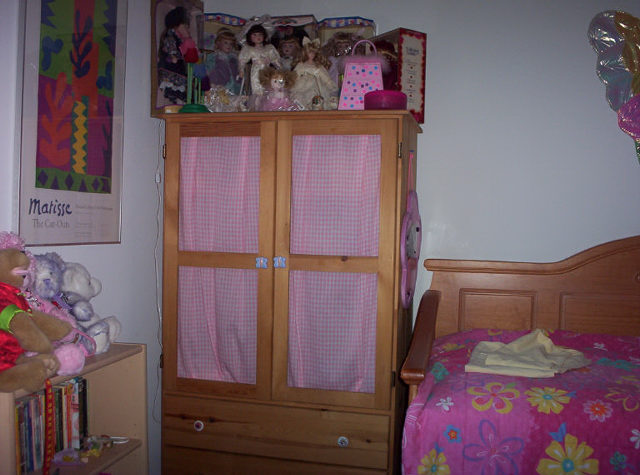
As I kept scrolling through the pre-hurricane and pre-move photos, I noticed the kinds of objects my mom photographed. Musical instruments, electronics, my sister’s creepy porcelain doll collection. These were objects she deemed valuable, either for the insurance company or potential buyers. Looking at them now, sometimes the value is obvious and sometimes not. Some things are still at my mom’s house, some are long gone, and some are gone but greatly missed.
As much as I relish the time traveling magic of these photos, they also make me a bit sad. Viewing these photos as an adult, I imagined the pain my mom felt when she made the difficult decision to sell some beloved objects, like the upright piano from her childhood. I imagined her fear as she navigated the hurricane as a single mom. I noticed the plastic bags taped over the windows in a futile attempt to prevent flooding. I noticed the box of the pizza we must have eaten for dinner that night–no time to cook with so much else to do. I noticed the unfolded clothes on my mom’s bed. What was I doing that night? Did I help her?
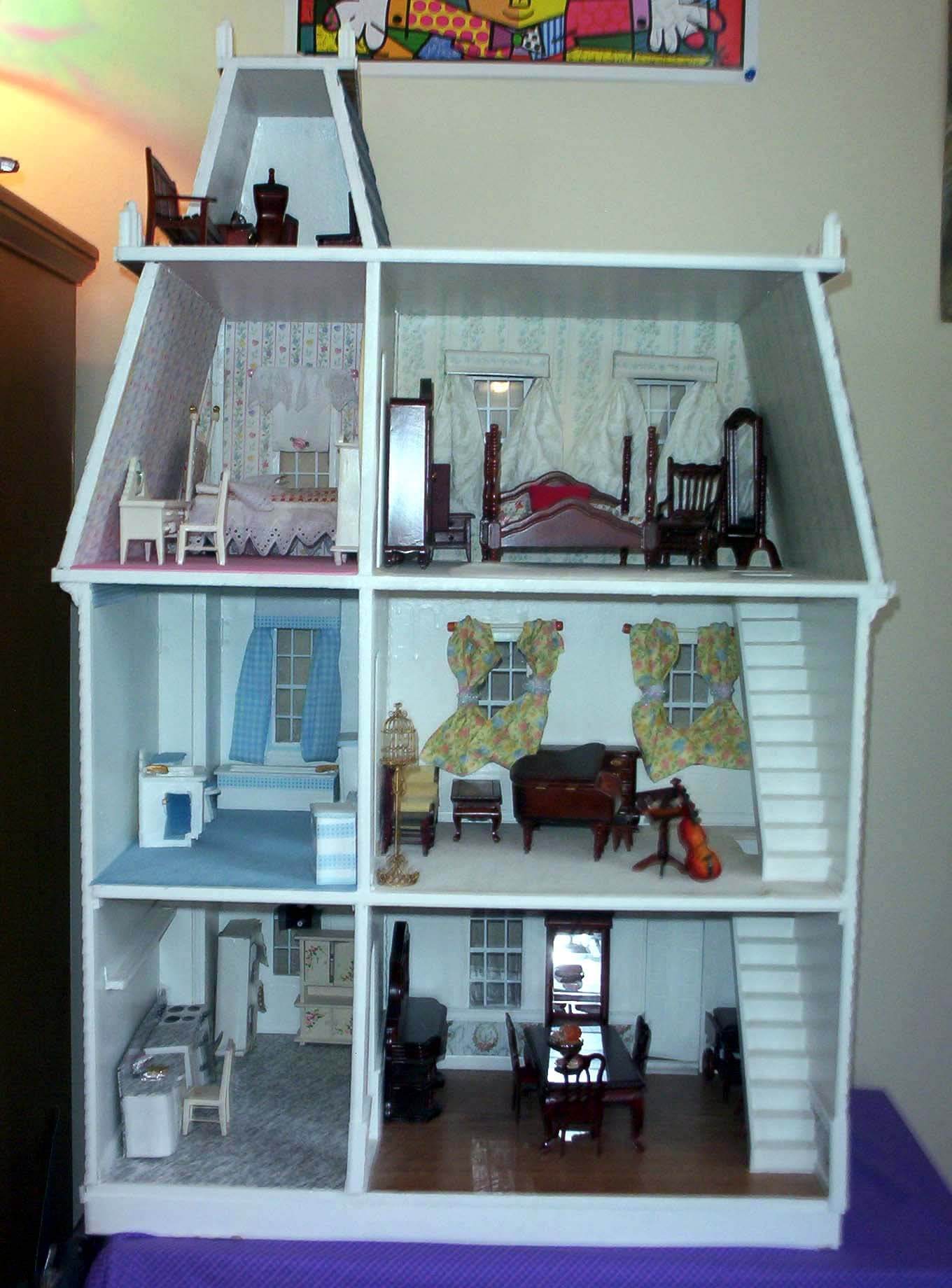
As I ruminated on the photos, they started to take on an uncanny quality. I’m reminded again of Mark Fisher, who, in regards to Black to Comm’s album Alphabet 1968, describes the “sadnesses of objects in unoccupied rooms.” Perhaps these photos are unsettling because, as clearly as my mom, my sister, and I are contained in the objects, we’re not physically there. It’s us, but not us. In the Purple Mountains song “Nights That Won’t Happen,” David Berman sings, “ghosts are just old houses dreaming people in the night.” My family and I are ghosts in these photos. We literally possessed these objects in the past, and now we possess them like haunting spirits. One of my favorite photos is of my sister’s dollhouse that serves as a mise en abyme of the whole collection of photos; it’s an empty house containing only the objects that hint at life. It’s through absence that we are present. The photos depict a “world of objects-amongst-themselves, a world just adjacent to ours, yet utterly foreign to it,” to recontextualize Fisher. As a child, I was terrified of the empty pair of pale-green pants in What Was I Scared Of? by Dr. Suess. I was haunted by the image of a pair of pants that could stand on their own with nobody inside of them. Everyday objects are understood in terms of how we interact with them. Without human interaction they can become eerie, like floating pants, or melancholic, like baby shoes, never worn.
Sometimes I look on Google Maps Street View at residences where I used to live, but these images don’t seem to evoke much about my family and who we are (or were). The house in Miami Beach where we lived when I was born has been repainted a different color. The townhome in Weston no longer exists. Recently, I looked up my family’s last known address in Lithuania before they were taken by the Nazis. I never find whatever it is I’m looking for. I fear it may be all absence.
I’m a little afraid of nostalgia, especially as I age. At a certain point in life, there’s more time behind you than in front of you. I haven’t reached that point yet (hopefully lol), but I fear its arrival. I’m afraid reminiscing is a hobby for the elderly. But I can’t help it. I’ve always loved looking through old photo albums. I love archives and objects and stories. Details, details, details. When I see a photo of my old karaoke machine, I remember what it was like to be alive in 2004, popping a CD into it. That archaic tech, before streaming and YouTube, was a reflection and construction of the world. Now it’s changed. Now I’ve changed. Details, details, details. I find myself and I lose myself in these details. I like this quote, supposedly from Chantal Akerman (according to numerous social media posts, though I can’t find the origins of the citation): “Women live in details because details are where truth hides.”

I did not intersperse the images in this essay because I feared my commentary would take away from the experience of viewing them on their own. I’ve included them below.
Photos Taken in 2004 in Anticipation of Hurricane Frances
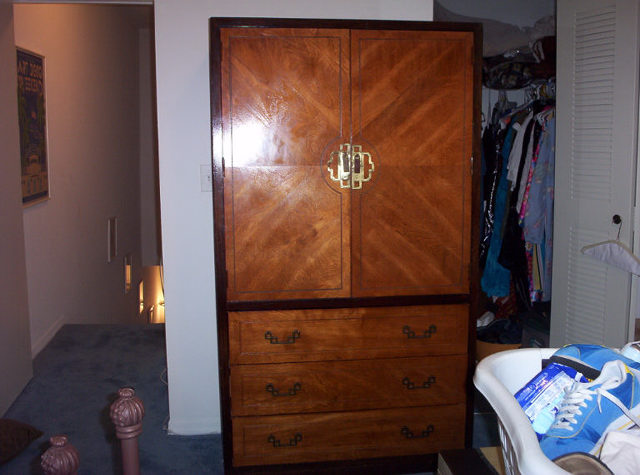
Photos Taken in 2006 to Sell Possessions Before Upcoming Move